
What are they and how do the core techniques differ?
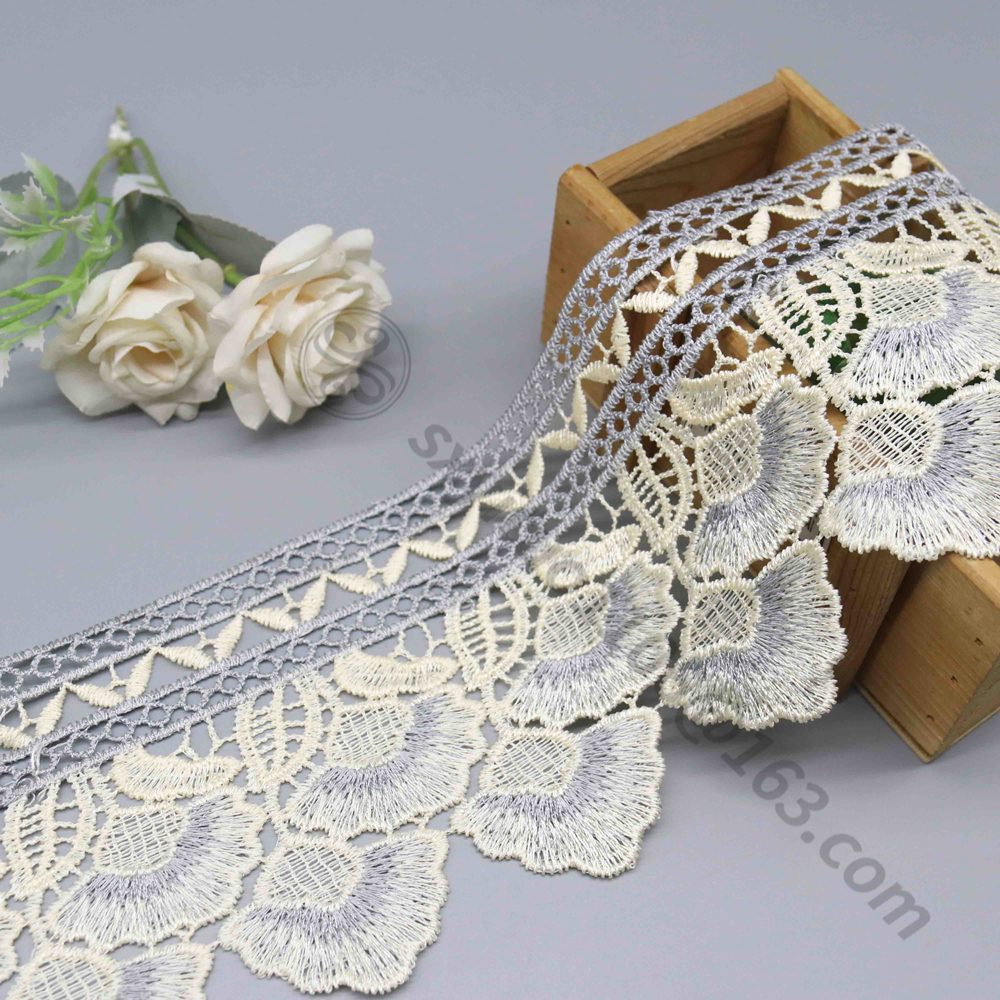
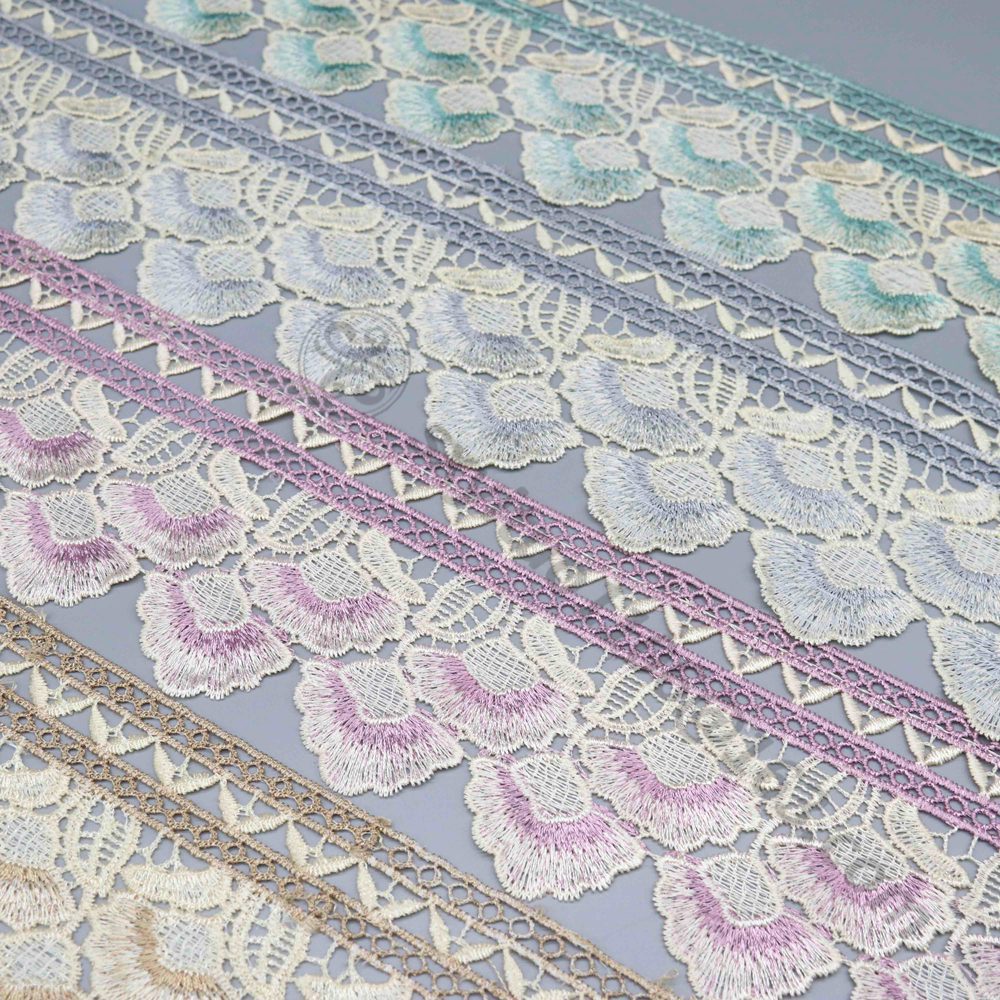
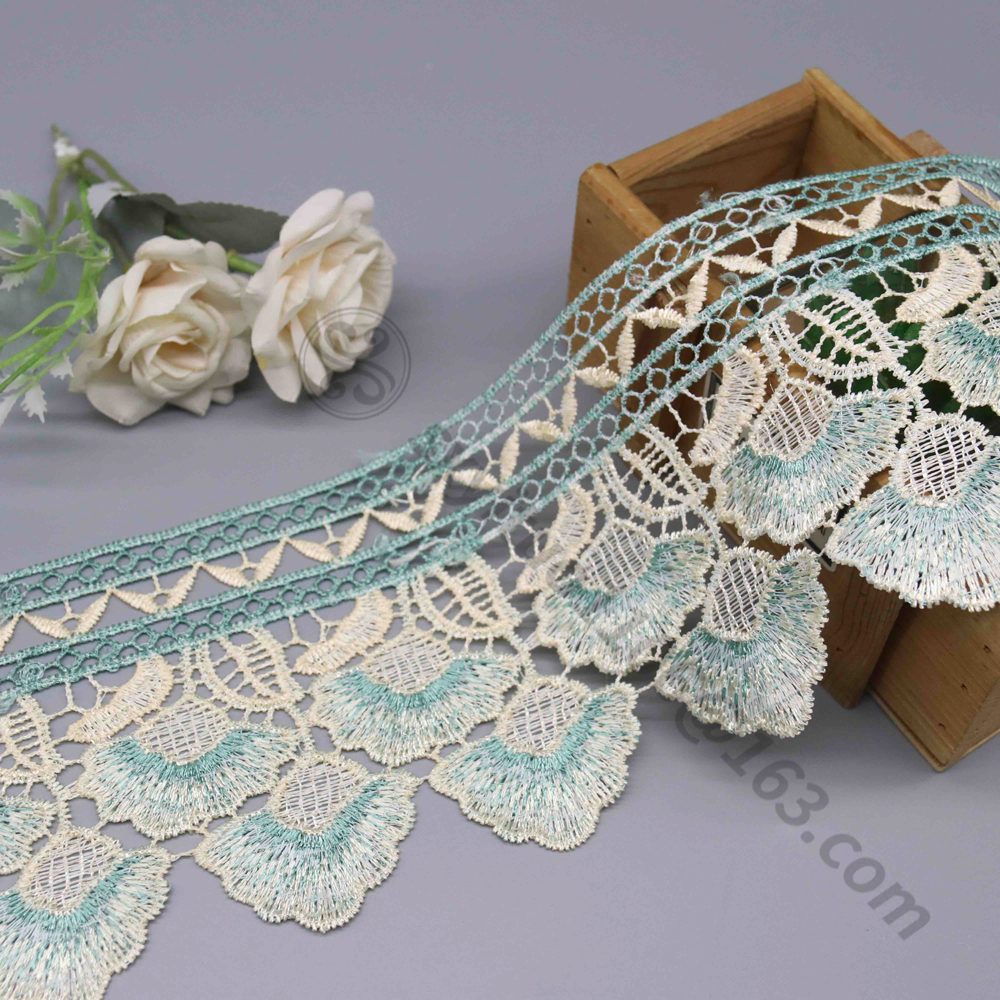
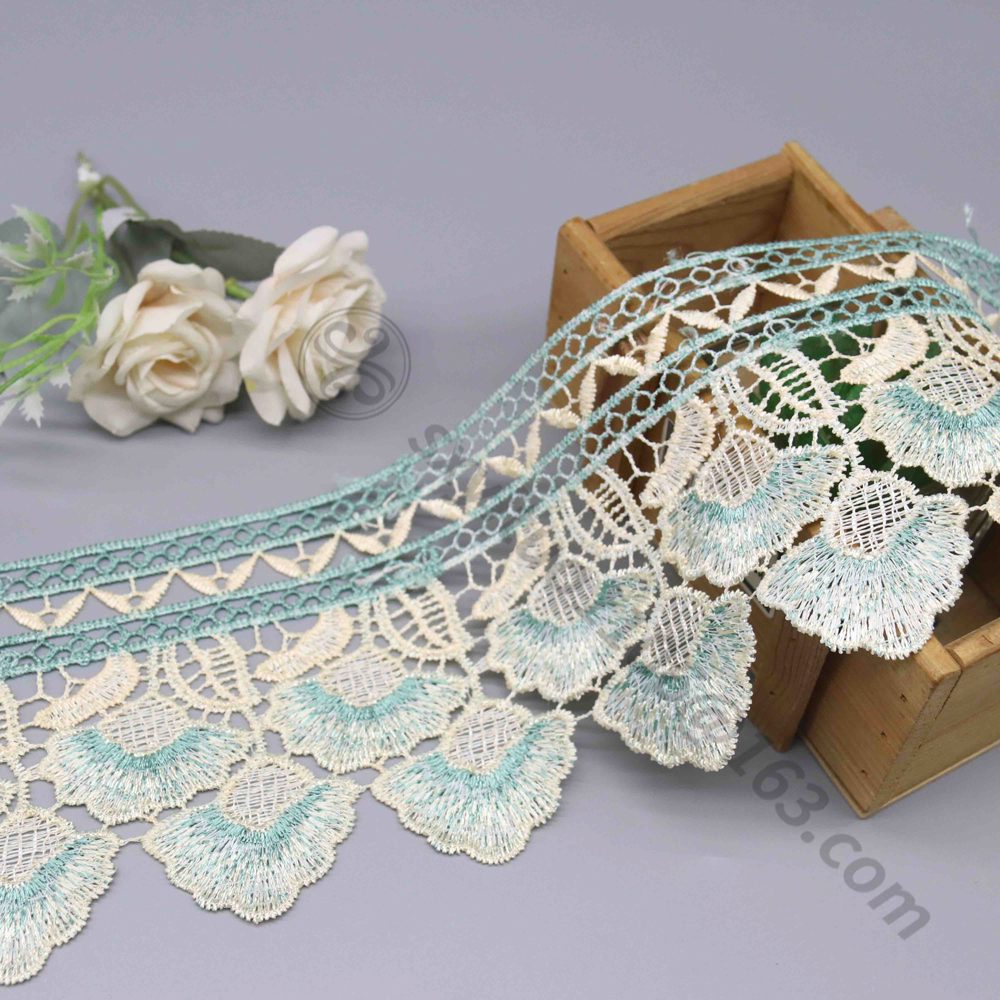
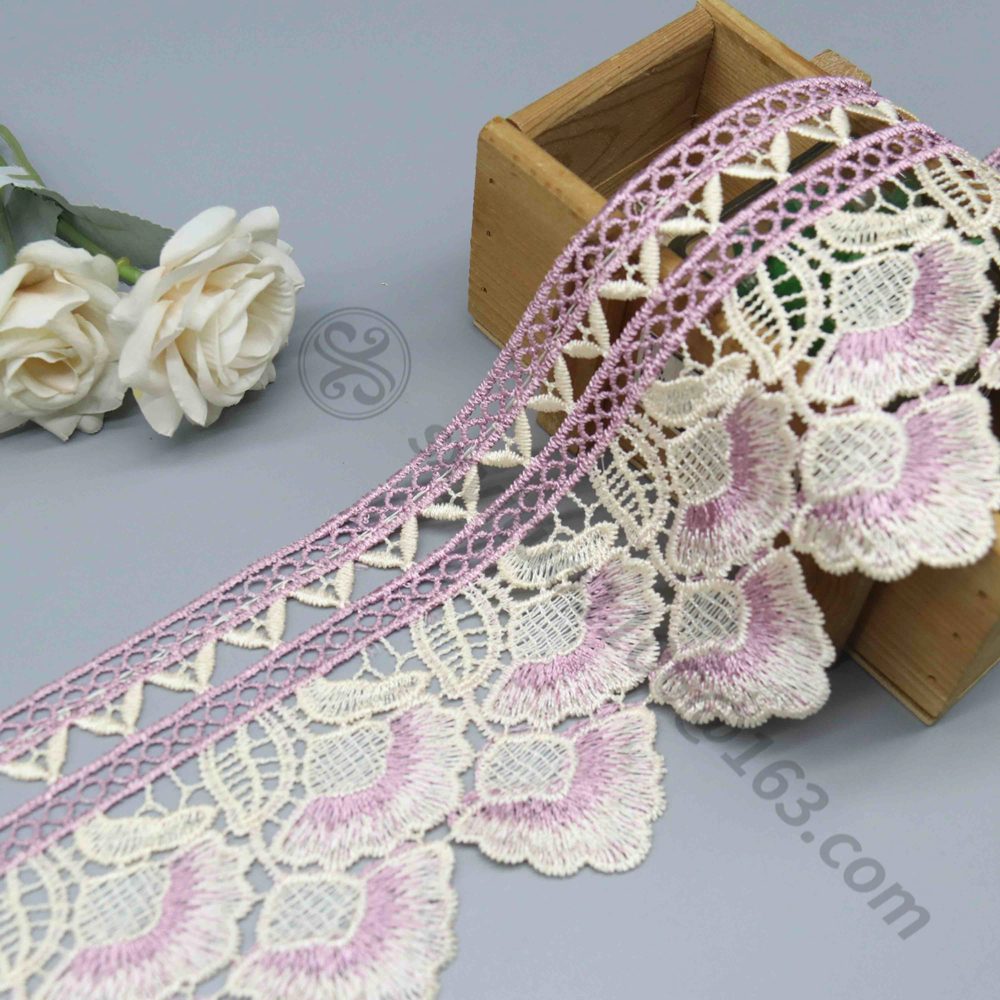
Embroidery water soluble lace is created by stitching motifs on a PVA water-soluble stabilizer; after wash-out, the base disappears and free‑standing lace remains. This delivers delicate, high-resolution patterns for trims, appliqués, panels, and motif placements with couture-level detail.
Eyelet water soluble fabric mimics broderie anglaise as yardage: eyelet holes are embroidered and reinforced on a water-soluble base (or soluble layer on a backing), then washed to reveal uniform, openwork fabric. It’s cut-and-sew friendly, enabling full-garment panels, skirts, sleeves, and inserts with consistent repeat.
What are the different manufacturing techniques used in designer clothing?
How do production costs compare for designer-collection price ladders?
Water soluble lace costs scale with stitch density, fine connectors, and complex outlines; per-meter pricing is higher for intricate motifs, and additional handling during finishing increases labor minutes. It shines in premium SKUs and statement details where elevated perceived value offsets cost.
Eyelet water soluble fabric leverages continuous embroidery across width, optimizing machine throughput and reducing changeover waste. Because it yields yardage, cutting efficiency is higher and sewing is simpler, driving lower unit costs at volume and better predictability for collection-wide adoption.
What factors influence the cost of producing designer clothing?
Production costs in designer collections are influenced by raw material expenses, labor costs, manufacturing overheads, and quality control measures. High-end collections often incur higher costs due to premium materials and intricate designs.
Which option offers better stability and batch consistency at scale?
Water soluble lace requires tightly controlled wash-out and heat-set SOPs to avoid distortion at delicate bridges; with mature parameters it’s consistent, but geometry tolerance needs vigilant QC. It remains softer and more flexible, ideal where drape matters more than rigidity.
Eyelet water soluble fabric provides robust, repeatable patterning across the full width, with reinforced eyelet rings that resist fraying and maintain shape. Yardage-based production naturally improves lot-to-lot consistency, simplifying grading, cutting, and repeat orders across multiple factories.
How can manufacturers ensure consistency in large-scale clothing production?
How do raw material supply and sourcing risks impact planning?
Both rely on widely available polyester/rayon embroidery threads and PVA films, with multiple regional sources. The lace route may need multi-color thread sets and special yarns for texture, increasing SKU complexity and approvals; careful planning reduces MOQs and lab-dip cycles.
Eyelet yardage typically uses fewer thread shades and standardized specs, easing replenishment and vendor interchangeability. Because it feeds straight into cutting rooms, mills can standardize widths/weights, reducing lead-time volatility for collection rollouts and replenishments.
What are the challenges in sourcing raw materials for clothing manufacturing?
Sourcing raw materials involves challenges such as supplier reliability, material quality, and ethical considerations. Transparent supply chains and thorough vetting of suppliers can mitigate these risks.
How well do factory lines adapt for sampling and bulk assembly?
Water soluble lace excels at rapid motif iteration via CAD/CAM; samples are quick, and trims/appliqués sew with guides, but delicate connectors require slower feed and extra in-line inspection. Best used where fewer pieces carry ornate placements rather than all-over usage.
Eyelet water soluble fabric behaves like conventional fabric in cutting/sewing, allowing high-speed throughput with standard folders, SPI, and press cycles. It supports synchronized colorways, fast repeats, and cross-style deployment—ideal for designer collections targeting consistent silhouettes in volume.
How do clothing manufacturers handle both sampling and mass production?
Application scenarios and B2B recommendation for OEM designer collections
Select embroidery water soluble lace for couture accents—necklines, sleeves, hemlines, and motif overlays—plus hero pieces in the collection that demand signature artistry and brand storytelling. It’s a premium lever for limited looks and capsule highlights.

How can businesses effectively collaborate with OEMs for designer clothing?
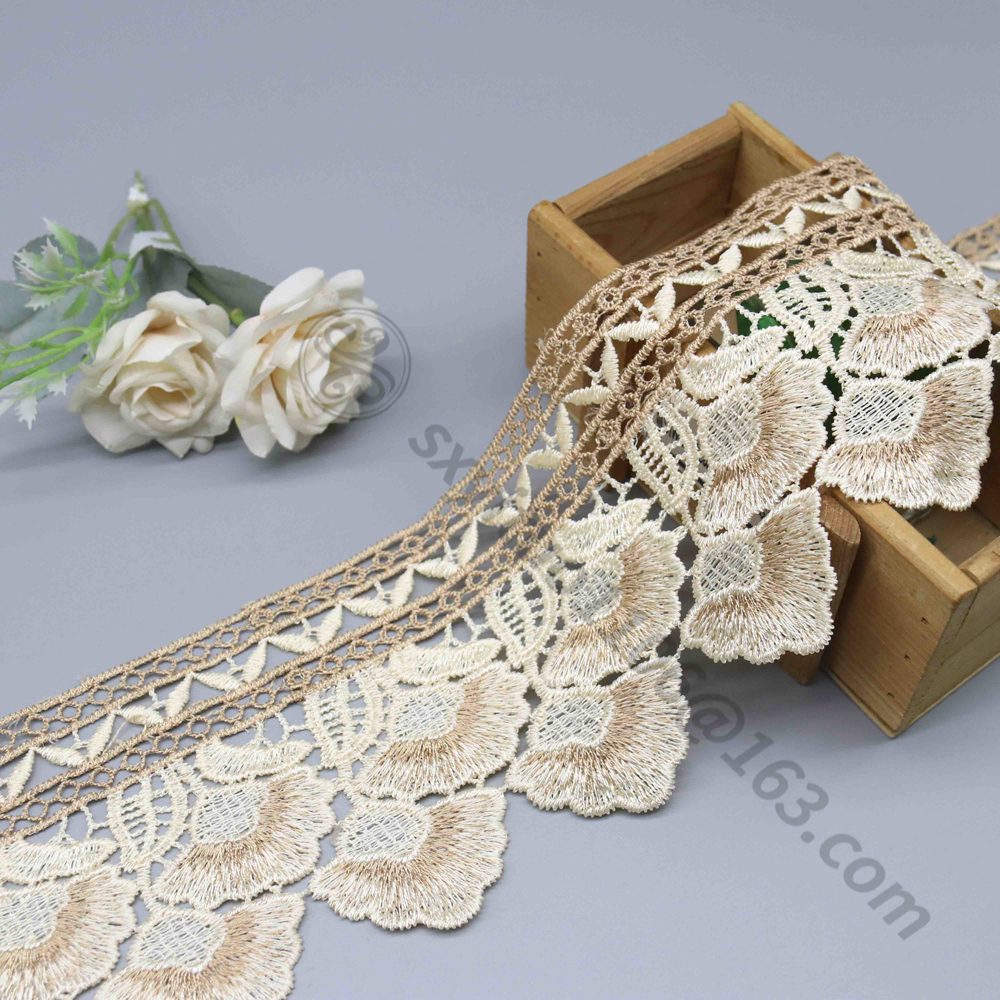
Adopt eyelet water soluble fabric as the backbone for scalable looks—dresses, skirts, tops, and coordinated sets—where consistent yardage, faster takt time, and predictable cost are crucial. For most OEM designer collections seeking flexible customization and reliable scale, eyelet water soluble fabric is the workhorse, with water soluble lace layered as high-impact trim to elevate key SKUs.