
“Why are the prices of finished lace products climbing so steadily?”
It is easy to blame labor shortages or shipping delays. However, the true answer lies much deeper in the supply chain. The finished lace products you purchase are getting more expensive because their foundational raw materials are skyrocketing.
The modern textile industry is inextricably linked to the global petrochemical sector. In this insider’s guide, we will break down exactly why this happens and how you can protect your margins.
Anatomy of the Textile: What Exactly is Lace Material?
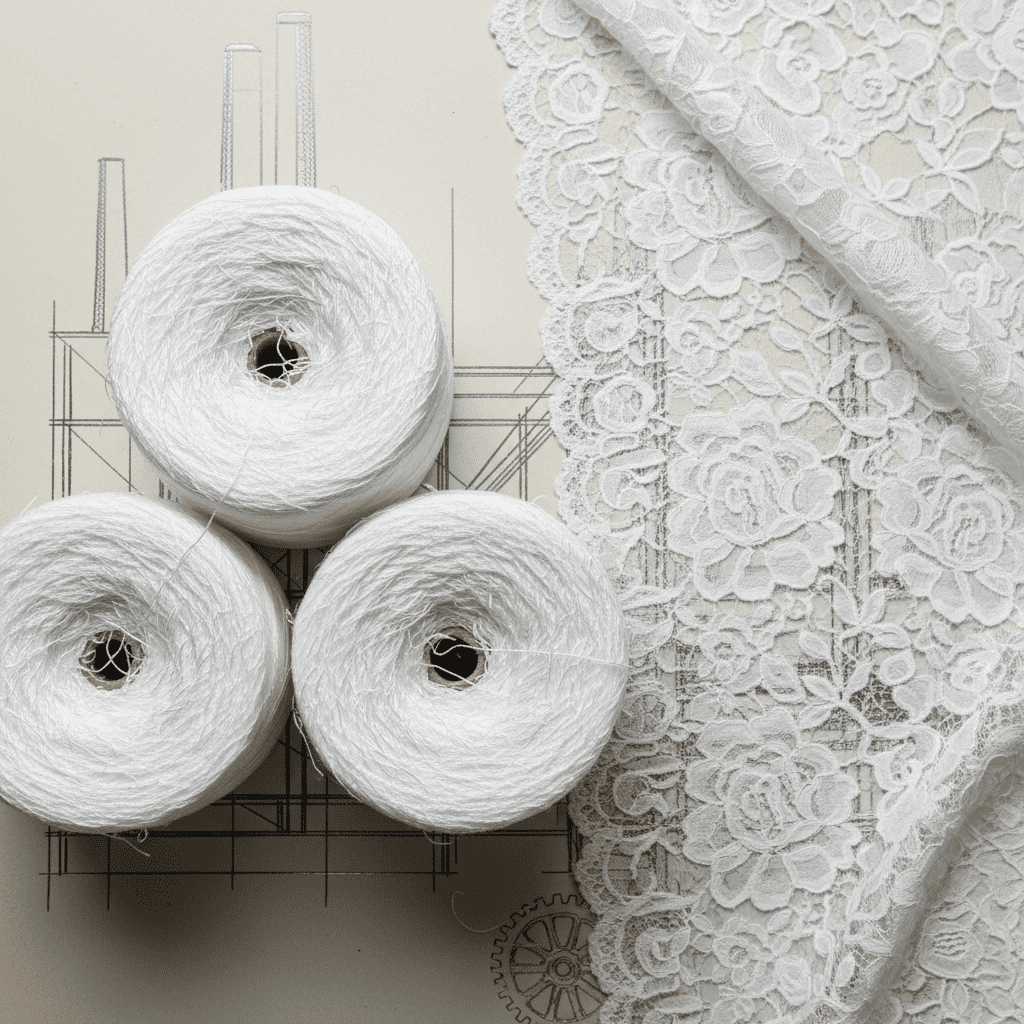
To understand the pricing crisis, we must first examine what goes into the lace material you buy. Historically, authentic lace was crafted from natural yarns like silk or linen.
Today’s lace material production has evolved to meet global demand for durable trims. Over 80% of the lace material in the market is now synthetic.
By weaving patterns using synthetic yarns, manufacturers ensure the durability today’s fashion requires, albeit with a vulnerability to energy markets.
Decoding the Threads: Different Types of Lace Materials
Not all lace is created equal. The raw material composition of your lace cloth material directly dictates both its performance and its price volatility. Here are the primary materials used in modern lace production:
-
Polyester Lace: The most common and cost-effective synthetic. It holds dye exceptionally well, making it perfect for vibrant pink lace material or deep black lace material. It is highly durable but strictly tied to crude oil pricing.
-
Nylon Lace: Softer, finer, and stronger than polyester. Nylon allows for incredibly delicate floral lace material designs without snapping on high-speed looms. It requires more complex chemical processing, making it more expensive than polyester.
-
Spandex / Elastane: Never used alone, but blended with nylon or polyester to create stretch lace. Essential for lingerie and lace material for dresses. Spandex is a 100% petrochemical derivative and highly sensitive to energy price spikes.
-
Lace Cotton Material: The natural alternative. It offers excellent breathability and a classic, matte finish. Because it is an agricultural product, its price bypasses the oil market entirely, though it remains subject to crop yields and weather conditions.
The Petrochemical Chain: How Oil Dictates Raw Material Costs
Why do finished lace trims get more expensive when oil prices rise? Because synthetic fibers are born in refineries, not on farms.
Here is the step-by-step breakdown of how a barrel of oil becomes your lace trim:
-
Refining: Crude oil is heated to extreme temperatures and cracked into basic petrochemicals.
-
Polymerization: Through high-heat chemical reactions, these basic chemicals are transformed into solid plastic polymer resins.
-
Yarn Spinning: These hard resins are melted down and extruded through microscopic holes to create fine, continuous synthetic yarns.
-
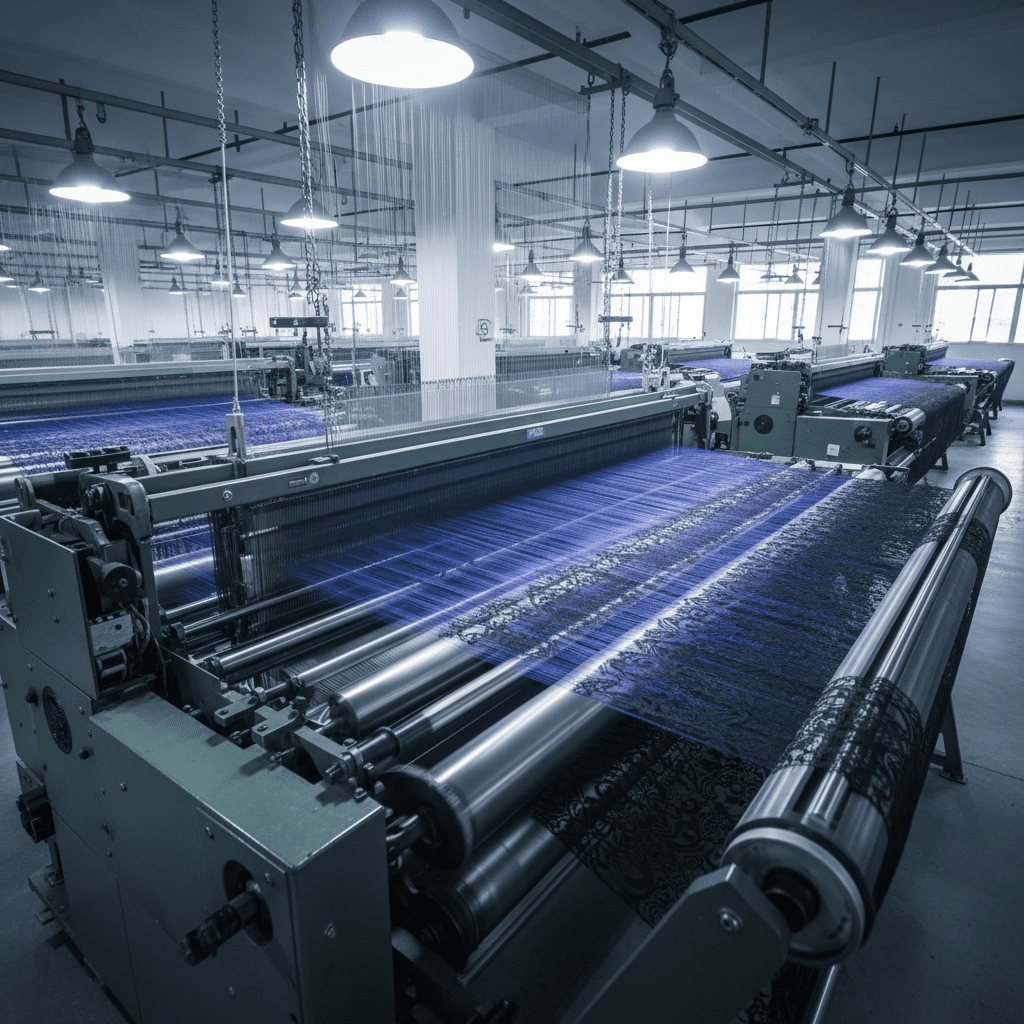
Weaving: Our heavy, computerized Jacquard looms knit these raw yarns into intricate finished trims.
-
Dyeing: The raw fabric undergoes an energy-intensive chemical dyeing process to achieve the final color.
The entire manufacturing process depends on fossil fuels. When oil prices spike, so do the costs of the lace material.
Which Finished Products Are Hit the Hardest?
Not all finished lace products react to the raw material crisis equally. The price impact depends heavily on the weight, construction, and chemical makeup of the textile.
-
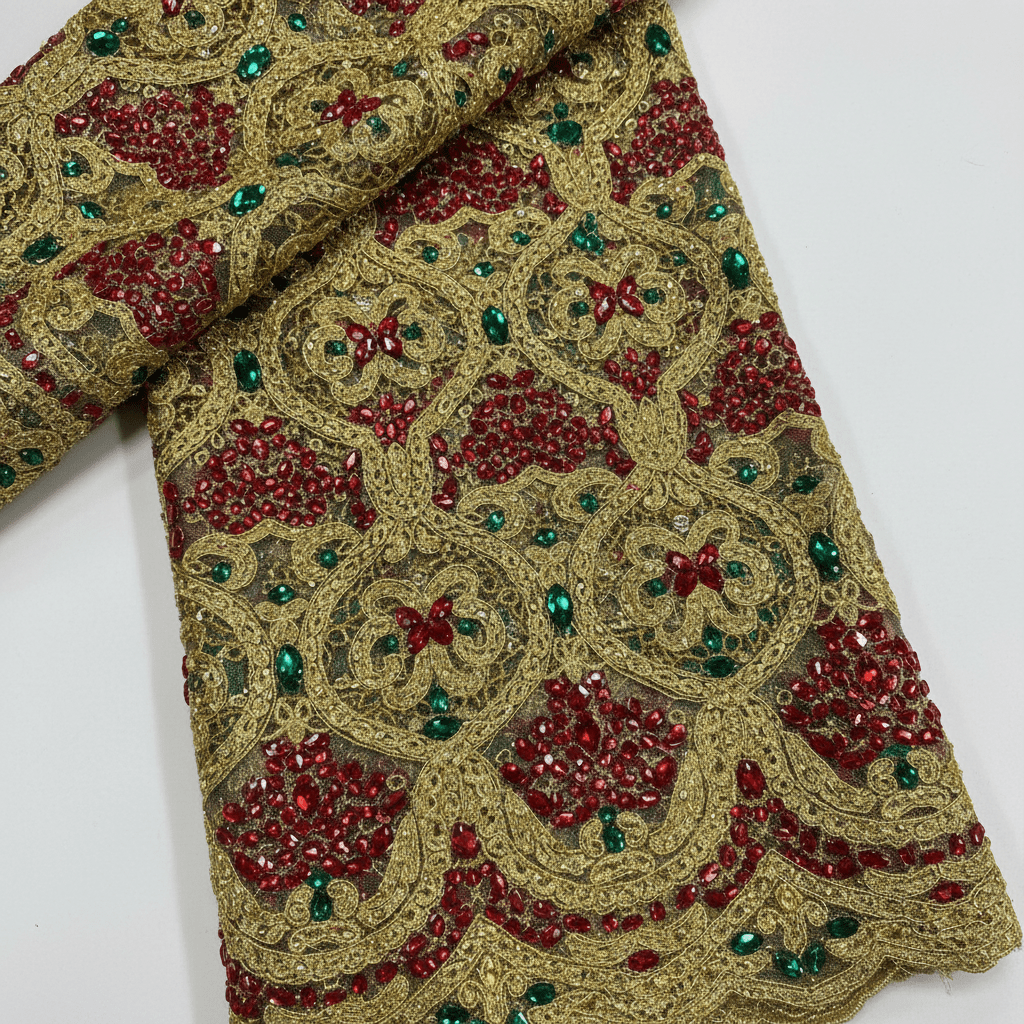
African Fabric Lace Material: Traditional Aso Ebi garments require incredibly thick, heavily embroidered lace. Because it uses a dense mesh base and miles of heavy synthetic embroidery yarn, its raw material consumption is massive. These heavy-weight textiles see the sharpest price jumps.
-
Stretch Lace for Lingerie & Dresses: Magical stretch requires a blend of raw nylon and spandex. Since raw nylon is highly energy-intensive to produce, high-quality stretch trims take a significant hit during energy crises.
-
Deeply Dyed Colored Laces: The dyeing process is energy-intensive. Disperse dyes only bond to synthetic fibers under extreme heat and pressure. Therefore, producing deeply saturated colors requires more natural gas and electricity than producing standard white lace fabric material.

Margin Maintenance: How Buyers Can Protect Themselves
If your apparel brand relies heavily on finished trims, how do you survive this pricing volatility? The key is strategic sourcing and strict inventory planning.
Here are three actionable ways to protect your business margins:
-
Treat Core Fabrics Like Commodities: If financial news shows oil prices trending upward, do not wait. Lock in bulk orders for your essential items (like basic floral trims or nude mesh) early in the season to bypass mid-year inflation.
-
Optimize Pattern Cutting: When the cost per yard rises, cutting room waste destroys your net profit. Utilize digital pattern-making software to tightly nest your garment pieces. This can save up to 15% in material usage per run.
-
Explore Alternative Blends: If a 100% nylon stretch trim breaks your budget, ask your supplier about polyester-spandex blends. Adjusting the raw material composition is the most effective way to hit a target price point without sacrificing the garment’s look.
FAQs About Lace Trim Pricing and Raw Materials
Is finished lace expensive to manufacture compared to flat fabrics? Yes. Even though synthetic yarns are technically cheaper than natural silk, the lace weaving process is incredibly complex. It requires specialized computerized looms and high energy consumption, making finished lace significantly more expensive to produce than flat woven fabrics like chiffon.
What is modern lace fabric material primarily made of? Over 80% of modern commercial lace is woven from synthetic raw materials. The primary yarns used are polyester, nylon, and spandex—all of which are downstream products of the petroleum industry.
Will the price of my lace trims go down if oil prices drop? Generally, yes, but not instantly. Due to global shipping delays and the time required to weave raw yarn into finished trims, there is usually a 3 to 6-month lag between a drop in barrel oil prices and a reduction in wholesale lace costs.
Can I substitute synthetic lace with authentic lace cotton material to avoid oil-driven price hikes? Yes, but it fundamentally changes your garment. Cotton lace is highly breathable but lacks natural stretch and immediate recovery. You will need to re-engineer your garment patterns to accommodate the rigid nature of natural cotton trims.
Are there sustainable raw material alternatives to traditional petroleum-based lace?