
If you’ve seen intricate jewelry with swirling, rope-like patterns or military jackets with ornate braided decorations, you’ve likely encountered soutache. This narrow, flat braid has been used for centuries in fashion and craft—but many people don’t know what it’s called or how versatile it can be.
This guide covers everything you need to know about soutache: what it is, how it’s used, and how to get started working with it yourself.
What Is Soutache?
Soutache (pronounced soo-TASH) is a narrow, flat decorative braid with a distinctive groove running down its center. This groove is the key feature—it allows the braid to be folded, shaped, and stitched around beads, stones, or other elements to create intricate designs.
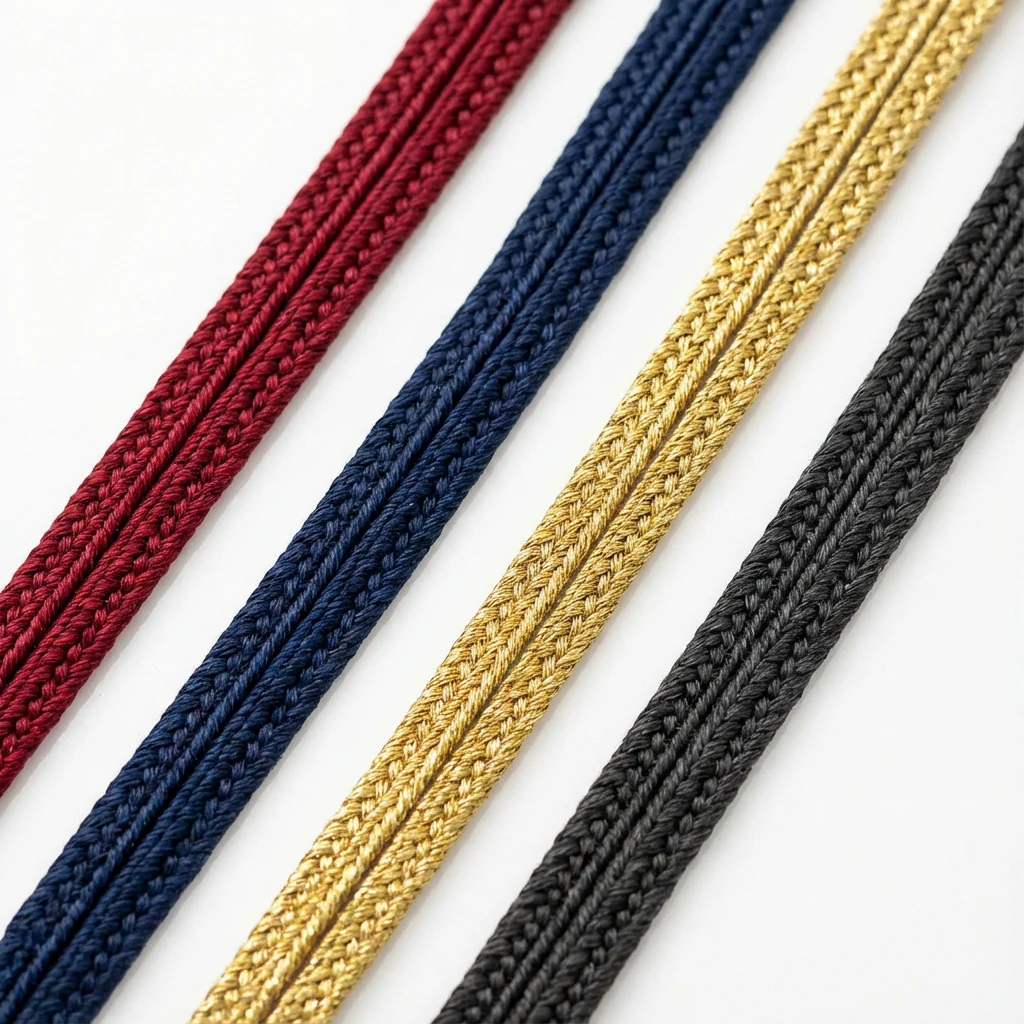
The braid typically measures 3mm wide, though you can find variations from 2mm to 5mm. It’s made from various materials including rayon, silk, polyester, and metallic threads. Rayon soutache is the most popular for jewelry making because it’s soft, flexible, and has a subtle sheen.
The word “soutache” comes from the Hungarian “sujtás,” meaning braid or trimming. The technique gained popularity in European military uniforms during the 19th century, where elaborate soutache patterns indicated rank and regiment. Today, it’s primarily used in jewelry making and haute couture embellishment.
What Is Soutache Used For?
Soutache is remarkably versatile. Here are the most common applications:
Jewelry Making
This is where soutache truly shines. Crafters wrap multiple strands of soutache around beads, crystals, and cabochons to create stunning earrings, necklaces, bracelets, and brooches. The braids curve and flow around focal stones, creating an organic, sculptural look that’s impossible to achieve with other techniques.
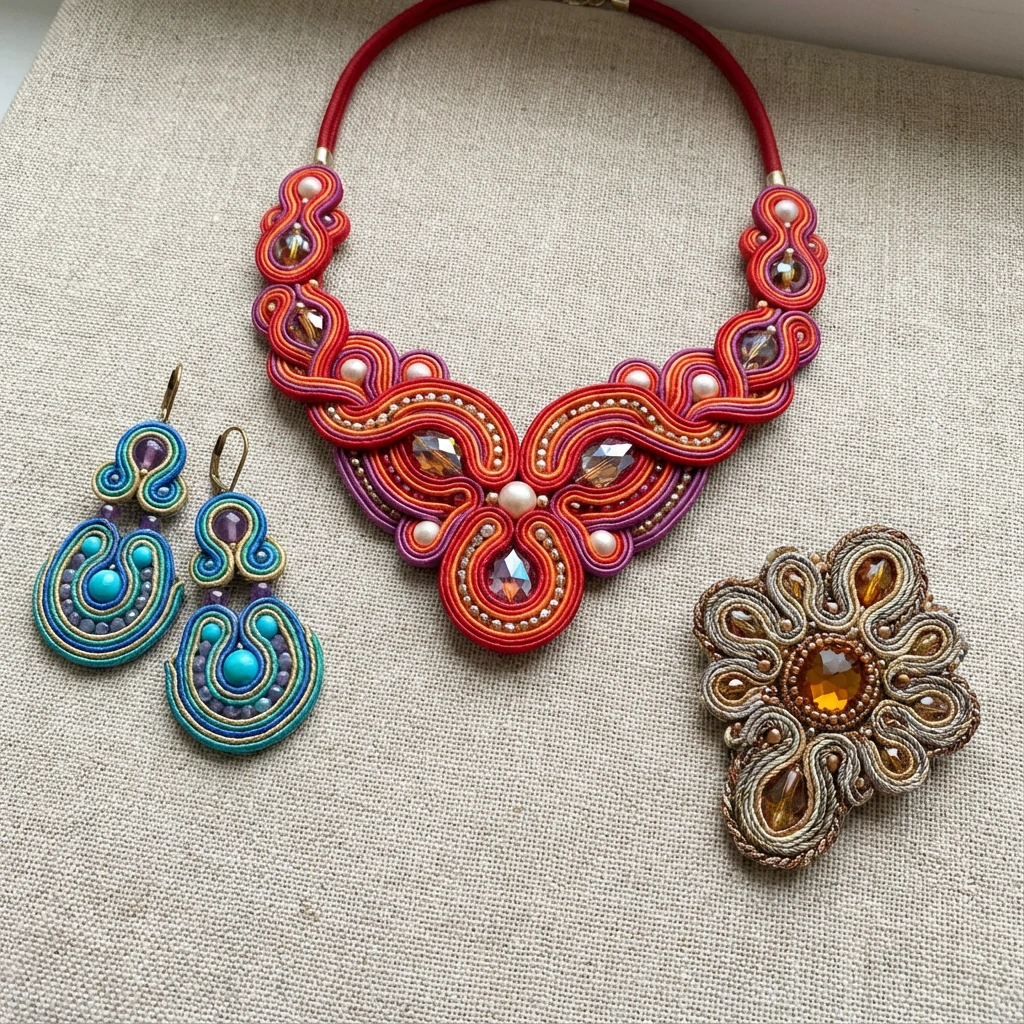
Soutache jewelry has a distinctive aesthetic—elegant, slightly vintage, and unmistakably handcrafted. Each piece requires patience, but the results are wearable art.
Fashion and Garment Decoration
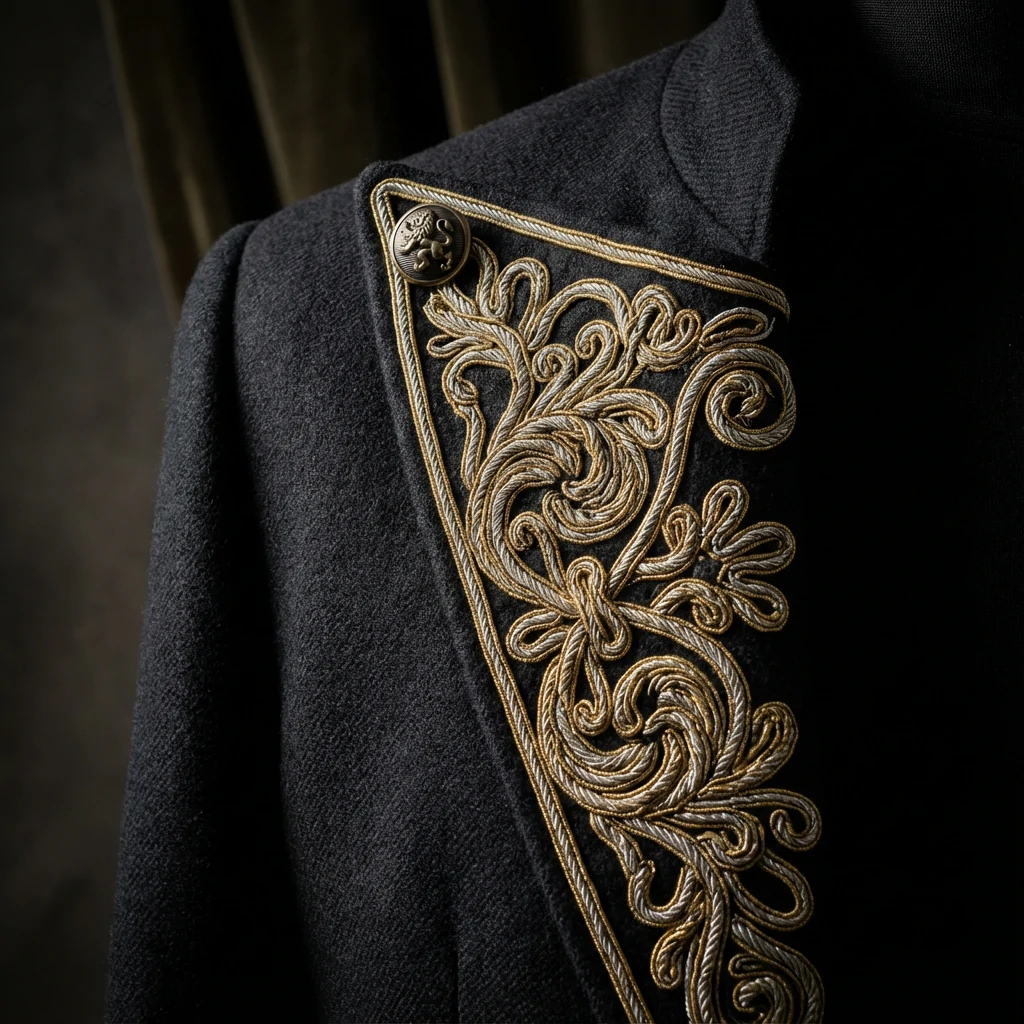
Soutache adds sophistication to clothing. You’ll find it on evening gowns and formal dresses, jacket lapels and cuffs, traditional folk costumes, and dance and performance costumes. Designers use soutache to create scrollwork patterns, borders, and elaborate motifs. A simple black dress becomes a statement piece with soutache embellishment along the neckline.
Home Décor
While less common, soutache works beautifully in home applications such as decorative pillow borders, lampshade trim, curtain tiebacks, and picture frame embellishment. The braid adds texture and visual interest without overwhelming a space.
Soutache vs Other Trims: What Makes It Different
With so many decorative trims available, why choose soutache?
| Feature | Soutache | Regular Braid | Lace Trim |
|---|---|---|---|
| Structure | Flat with center groove | Round or flat, no groove | Flat, open weave |
| Flexibility | Highly flexible, holds curves | Moderate flexibility | Limited shaping |
| 3D Capability | Excellent for sculptural work | Limited | Flat applications only |
| Best For | Jewelry, intricate embellishment | Simple borders, edges | Feminine, delicate looks |
The center groove is what sets soutache apart. When you fold the braid around a bead and stitch through that groove, the braid hugs the bead perfectly and holds its shape. This creates the flowing, organic curves that define soutache work.
Soutache also layers beautifully. You can stack multiple colors of braid to create depth and dimension—something difficult to achieve with other trims.
Getting Started with Soutache: Materials You’ll Need
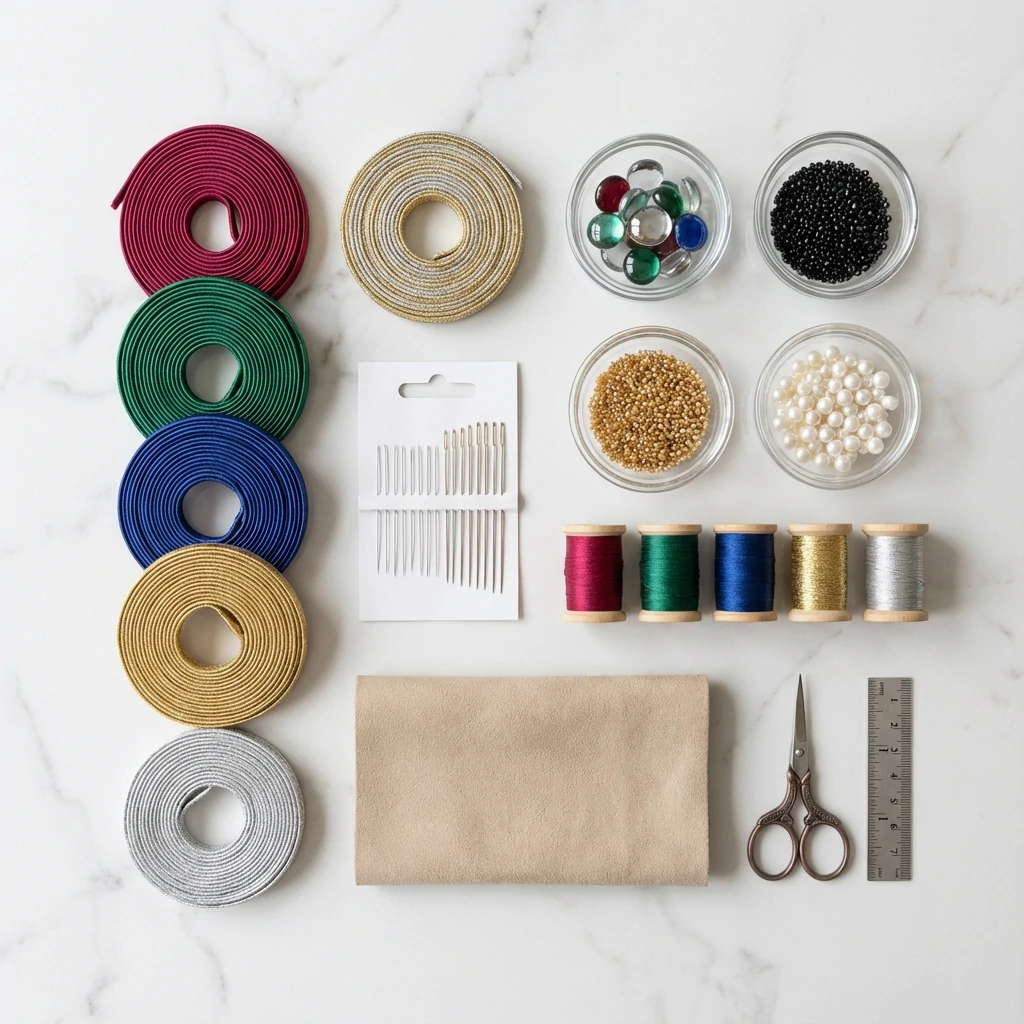
Ready to try soutache yourself? Here’s what you’ll need for basic jewelry projects:
Essential Materials
Soutache braid is the foundation. Start with 3mm rayon soutache in 2-3 coordinating colors. Buy at least 1 meter of each color for your first project. Rayon is easier to work with than polyester or metallic varieties.
For beads and stones, begin with a focal bead or cabochon (flat-backed stone) around 14-18mm. Add smaller seed beads (size 11/0 or 15/0) for edging and detail work.
You’ll need beading thread and needles. Use Nymo or FireLine thread in a color that matches your soutache. Size 10 or 12 beading needles work well—they need to pass through seed beads multiple times.
A backing material is essential. Stiff felt, Ultrasuede, or Nicole’s BeadBacking provides structure and gives you something to stitch through.
Helpful Tools
Sharp scissors are necessary for clean cuts on the braid ends. Fabric glue helps secure braid ends and attach backing. A bead mat keeps small beads from rolling away.
Starter Project Suggestion
For your first piece, try a simple pendant with one cabochon surrounded by 2-3 rows of soutache. This teaches the fundamental wrapping and stitching technique without overwhelming complexity.
Basic Soutache Techniques for Beginners
Soutache work involves a few core techniques that combine to create complex designs.
Technique 1: Wrapping Around a Focal Bead
This is the foundation of soutache jewelry. You secure your cabochon or focal bead to the backing material first. Then you take a length of soutache, fold it around the bead’s edge, and stitch through the groove to hold it in place. The braid should hug the bead snugly.
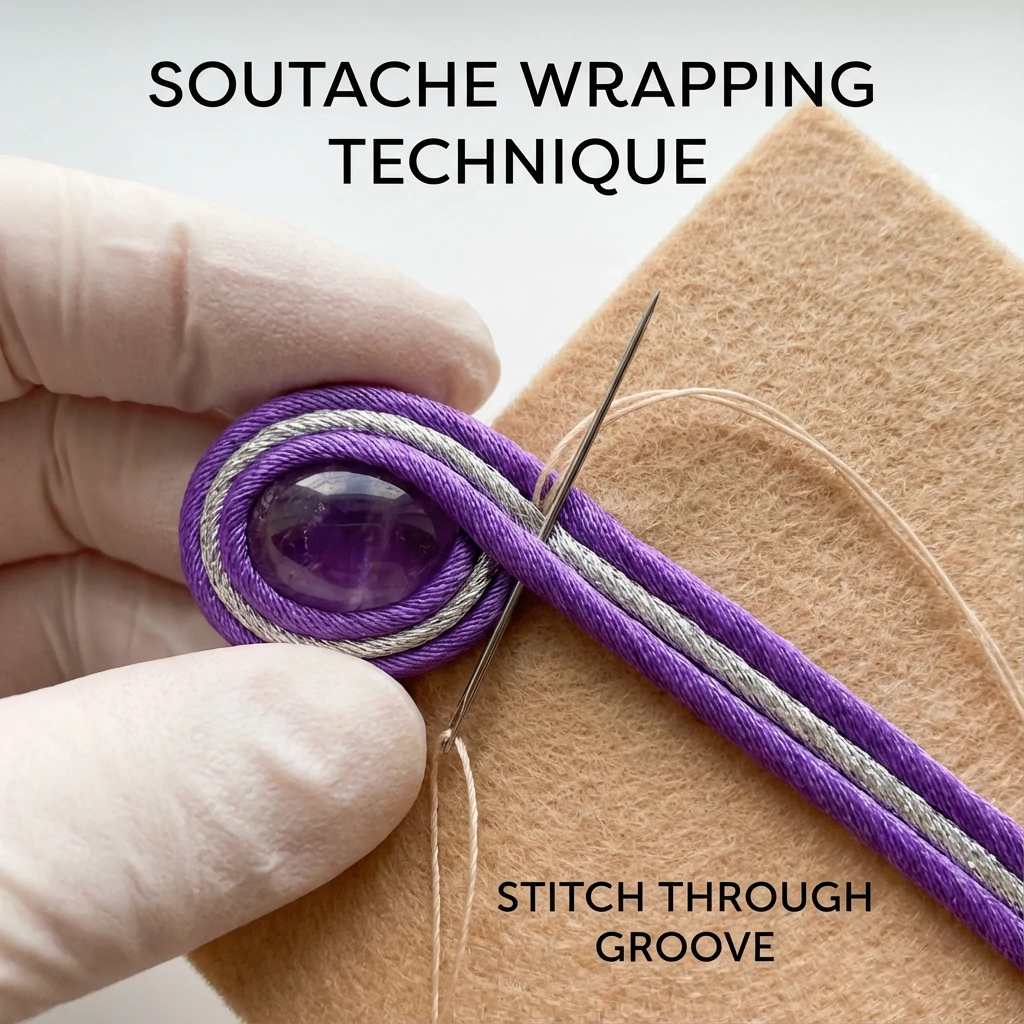
Work your way around the entire bead, stitching every few millimeters to keep the braid secure. When you complete the circle, you’ll have braid “tails” extending from both sides—these become the flowing design elements.
Technique 2: Layering Multiple Braids
The magic of soutache comes from layering. After your first braid is secured around the bead, add a second color directly on top, following the same path. Then a third. Each layer adds depth and visual interest.
Keep all your braids aligned—the grooves should stack on top of each other. This keeps your work neat and makes stitching easier.
Technique 3: Shaping Curves and Loops
Once you have layered braids extending from your focal bead, you shape them into curves, loops, and swirls. The braids naturally want to curve, so work with this tendency. Stitch through all layers at regular intervals to hold the shape.
You can add smaller beads along these curves—the braids wrap around them just like the focal bead, creating secondary design elements.
Technique 4: Finishing the Ends
Raw braid ends look messy and will fray. There are several finishing options. You can fold the ends under and stitch them to the back. You can wrap them into a tight coil and secure with glue. You can also hide them under a bead or finding.
Once all ends are secured, glue a piece of backing material (Ultrasuede works well) to the back of your piece. This hides all your stitching and gives the jewelry a professional finish.
FAQs
What does soutache mean?
The word comes from Hungarian “sujtás,” meaning braid or decorative trimming. It entered English through French in the 19th century when the braided trim became fashionable in European military uniforms and formal wear.
Is soutache easy to learn?
The basic technique is straightforward—wrapping braid around beads and stitching through the groove. However, creating polished, professional-looking pieces takes practice. Start with simple projects and expect your first few attempts to be learning experiences. Most crafters find they improve significantly after 3-5 projects.
What size soutache braid should I use?
For jewelry, 3mm is the standard and most versatile size. It’s wide enough to see the color clearly but narrow enough for detailed work. Beginners should start with 3mm rayon soutache. Once comfortable, you can experiment with 2mm for delicate pieces or mix sizes for variety.
Can I wash soutache jewelry?
Avoid washing soutache jewelry. Water can weaken the glue, distort the shape, and damage certain bead finishes. If your piece gets dirty, spot clean gently with a barely damp cloth and let it dry completely before wearing or storing.
Where can I buy soutache braid?