
What are these two lace types and how do they shape ODM-ready aesthetics?
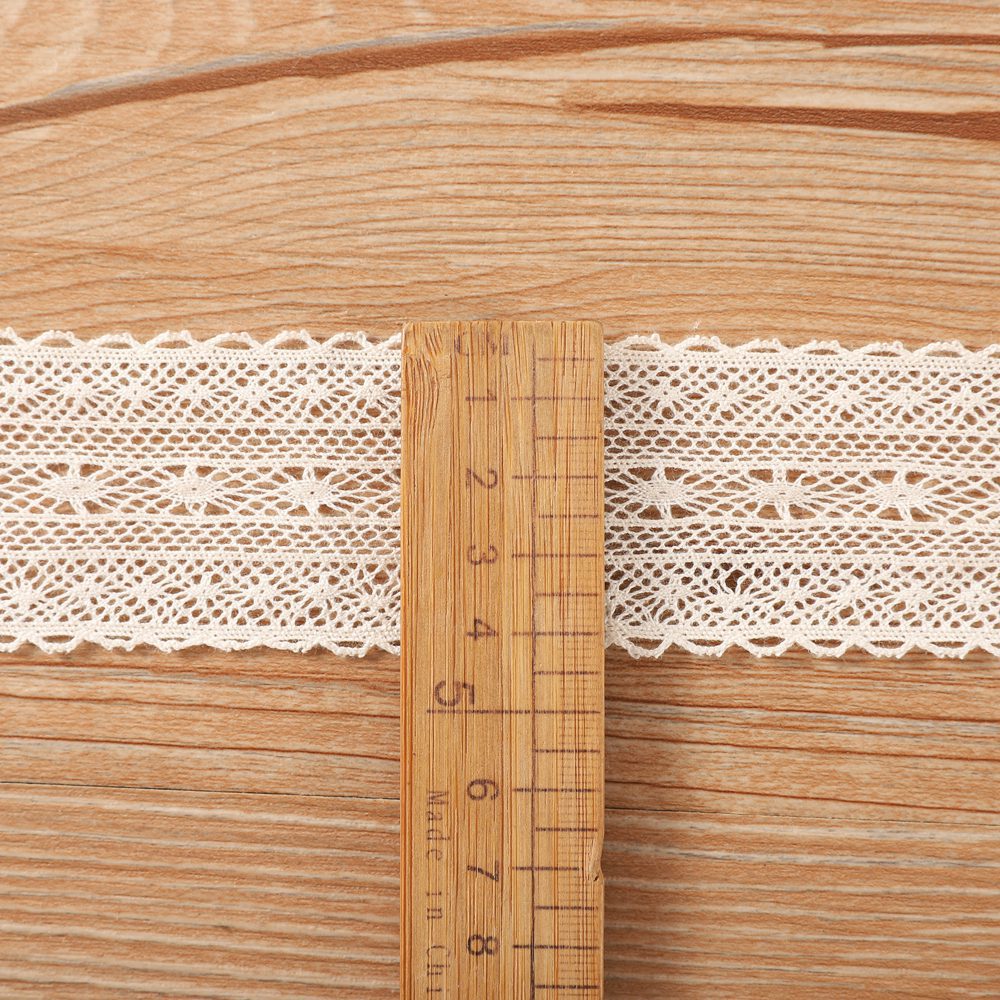
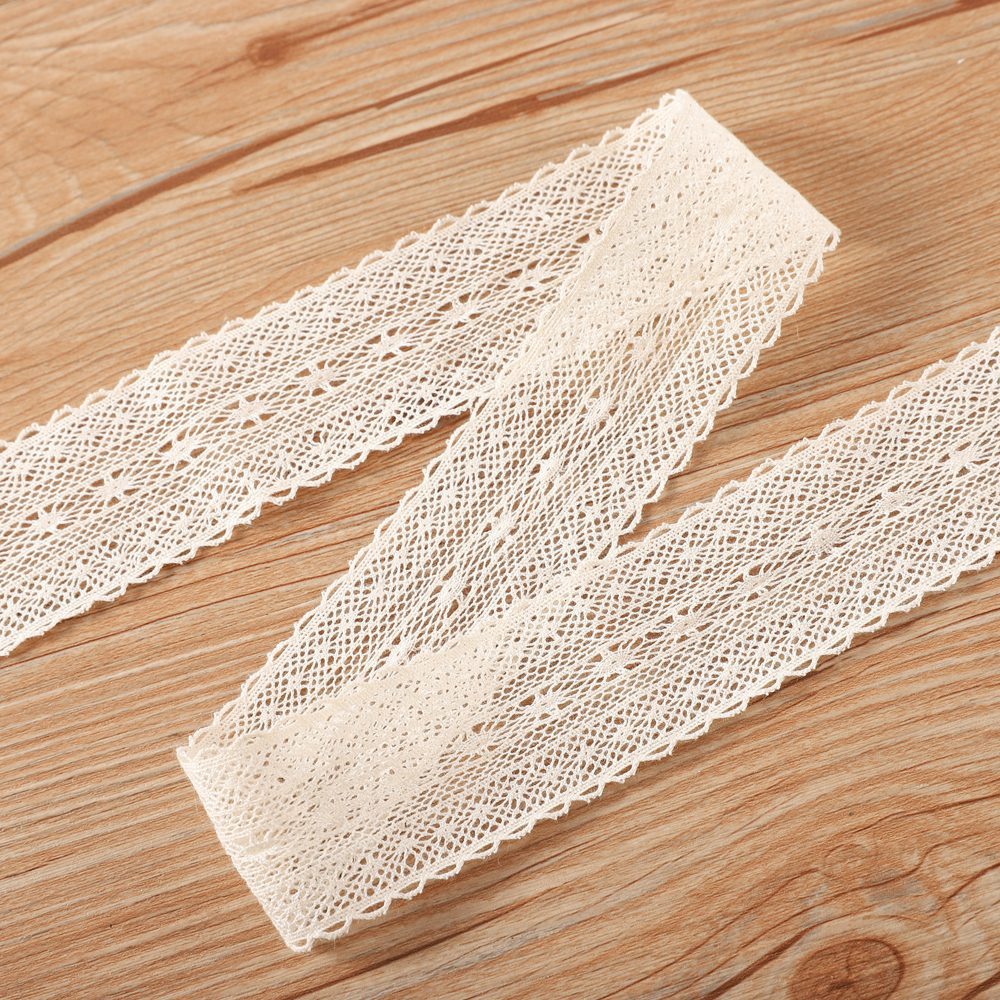
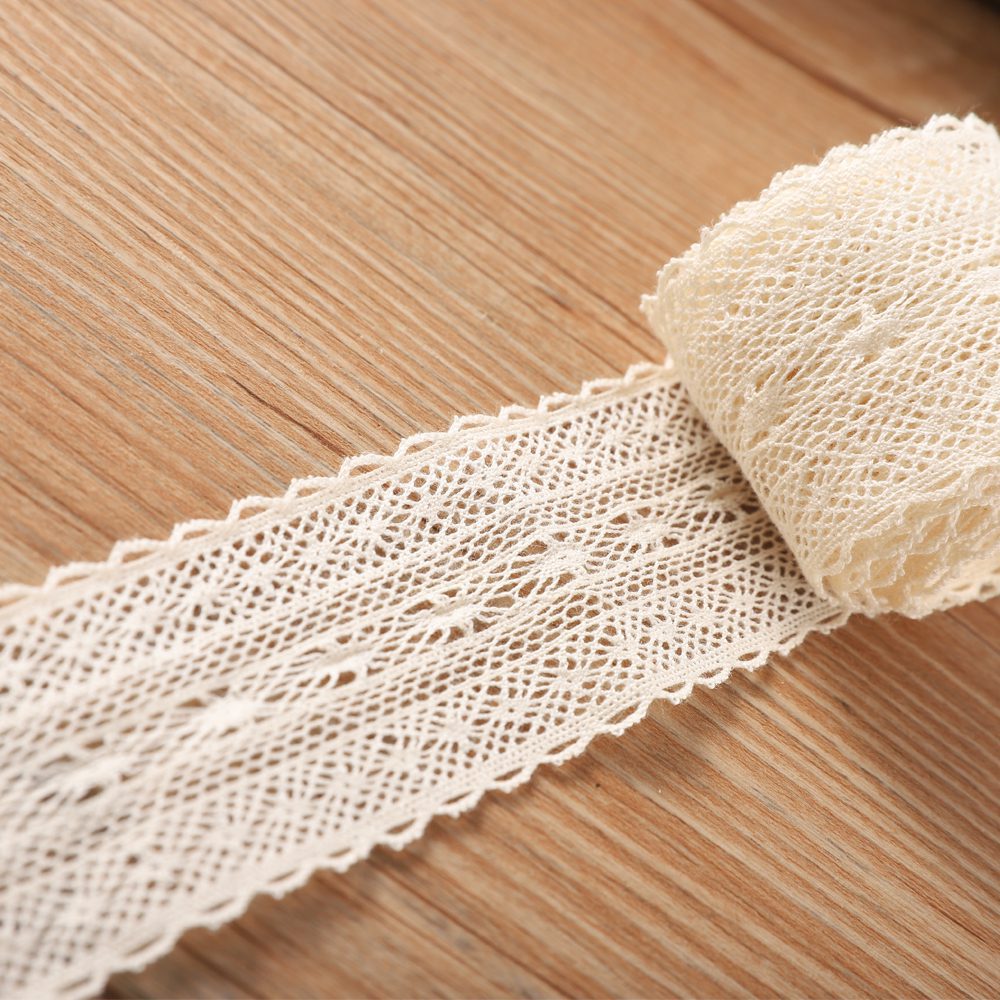
Pure cotton embroidered lace is created by stitching motifs onto a cotton base or narrow tape, delivering clean edges, flat profiles, and classic patterns that integrate seamlessly into bedding, curtains, table linens, and pillow shams. Its look skews premium-yet-practical, with easy color matching and consistent handle across SKUs.
Colorful tassel cotton lace adds multi-hued tassels or fringes to a cotton header, yielding high visual impact for decorative cushions, throws, and boho-inspired curtains. Its dimensional movement and color play elevate perceived value, but the added components increase handling needs from sampling to bulk assembly.
What are the different types of lace used in home textiles?
Common lace types in home textiles include Chantilly, Guipure, and Alençon, each offering unique textures and patterns that influence the aesthetic appeal of products.
Exploring the Intricate World of Lace: A Guide to Various Lace Types
How do production costs compare in personalized bulk orders?
Embroidered lace costs are driven by cotton base quality, stitch density, thread usage, and machine time; once digitized, the design scales efficiently, and colorways switch quickly via thread changes. For ODM programs with repeat motifs and frequent recolors, per-unit cost declines predictably with volume.
Tassel lace adds BOM complexity: tassel yarn, caps/knots, header tape, and attachment operations, plus higher labor minutes for assembly and QC. Multi-color tassels also require shade approvals and inventory across color-ups, raising MOQs and carrying costs. In most bulk scenarios, tassel trims price higher than embroidered lace at similar widths.
How does fabric choice impact bulk order pricing?
Fabric construction affects bulk pricing; woven fabrics are generally more expensive due to lower production speeds and higher setup costs compared to knitted or nonwoven fabrics.
Different Types of Fabric: How Material Choice Impacts Bulk Order Pricing
Which option provides better stability and wash durability in home textiles?
Embroidered lace is inherently stable: flat construction resists snagging, and dense stitches anchor well to the cotton base, passing domestic wash cycles with minimal distortion when pre-shrunk and heat-set. It’s reliable on duvet edges, pillowcases, and table runners that see frequent laundering.
Tassel lace introduces moving parts that can tangle, shed, or elongate in wash and tumble dry, and multi-color tassels heighten colorfastness risks (crocking/bleeding). Bartacks and reinforced headers mitigate issues, but care labels often require gentler cycles—better for decorative SKUs with lower wash frequency.
How does lace material affect durability in home textiles?
Lace made from synthetic fibers like polyester offers higher durability and wash resistance compared to natural fibers like cotton, making it more suitable for home textiles.
Master Sourcing Different Kinds of Lace for Your B2B
How do raw material availability and supply chain risks differ?
For embroidered lace, commodity cotton bases and embroidery threads are widely available; most mills keep ready stock in core whites/naturals and can turn seasonal dyes quickly. The supply chain is straightforward, and dual-sourcing thread and base fabric is easy across regions.
Tassel lace requires synchronized sourcing of tassel yarns, ties, and headers in multiple colors, plus consistent tassel density and length. Shade libraries reduce risk, but custom palettes can extend lead times. If trims include metal caps or special finishes, additional compliance (e.g., nickel-free, AZO-free) adds checkpoints and time.
What are the challenges in sourcing materials for lace production?
Sourcing natural fibers like cotton and silk can be affected by agricultural conditions and geopolitical factors, whereas synthetic fibers like polyester are subject to fluctuations in petroleum prices and chemical industry dynamics.
How well do factory lines adapt to each trim for ODM customization?
Embroidered lace aligns with multi-head embroidery and automated trimming, enabling rapid sampling, fast motif edits, and smooth sewing integration at scale. Color changes and width variants are low-impact, supporting modular SKU building across a home textile range.
Tassel lace needs slower feed speeds, dedicated guides, and extra inspection to prevent tassel catch or misalignment; carton packing also requires more care to avoid crush. While highly photogenic for marketing, it reduces takt time versus embroidered lace and adds rework risk in peak seasons.
How does lace type influence manufacturing processes in ODM customization?
Machine-made laces like Raschel lace allow for faster production and easier customization, making them more adaptable for ODM processes compared to hand-made laces.
Lace Fabric: Properties, Types, Manufacturing Process and Uses
Application scenarios and B2B recommendation for scalable home textile portfolios
Use pure cotton embroidered lace as the backbone for high-wash, high-volume SKUs: duvet cover borders, pillow sham edges, curtain headers, table linens, and nursery lines where softness and stability matter. It suits price-tier ladders, quick recolors, and retailer compliance on wash performance.
Deploy colorful tassel cotton lace as accent SKUs: decorative cushions, throws, boho curtains, and seasonal capsules where visual differentiation drives sell-through and lower wash frequency reduces durability concerns. For adaptable ODM programs emphasizing speed, consistency, and margin, prioritize embroidered lace; layer tassel trims as premium or seasonal add-ons to lift AUR without overloading operations.
How can lace be incorporated into scalable home textile designs?
Answer: Incorporating machine-made laces like Raschel lace into home textiles allows for scalable production while maintaining aesthetic appeal, suitable for mass-market B2B applications.
Lace Fabric: Properties, Types, Manufacturing Process and Uses