
If you’ve been searching for tulle fabric and come across “rayon tulle,” you might be wondering what makes it different from the nylon or polyester tulle you see everywhere. Is it worth the extra consideration? What exactly is rayon tulle, and when should you choose it over other options?
This guide covers everything you need to know about rayon tulle — from its unique properties to practical applications and buying tips.
What is Rayon Tulle?
Rayon tulle is a lightweight, open-weave netting fabric made from rayon fibers. To understand what makes it special, let’s break down both components.
Tulle is a fine mesh fabric with a distinctive hexagonal pattern. Originally made from silk in the French city of Tulle (hence the name), modern tulle comes in various fiber compositions. The signature open-weave structure creates that ethereal, see-through quality we associate with wedding veils and ballet tutus.
Rayon is a semi-synthetic fiber derived from natural cellulose, typically sourced from wood pulp or bamboo. Unlike fully synthetic fibers like nylon or polyester, rayon undergoes chemical processing to transform plant cellulose into silky, breathable threads. This gives rayon a unique position — it offers the softness and breathability of natural fibers while being more affordable than silk.
When you combine rayon fibers with tulle’s mesh construction, you get a fabric that feels softer and drapes more naturally than its synthetic counterparts. Rayon tulle bridges the gap between luxurious silk tulle and practical nylon tulle, offering a middle-ground option for designers and buyers who want quality without the premium silk price tag.
Rayon Tulle vs Nylon vs Silk Tulle
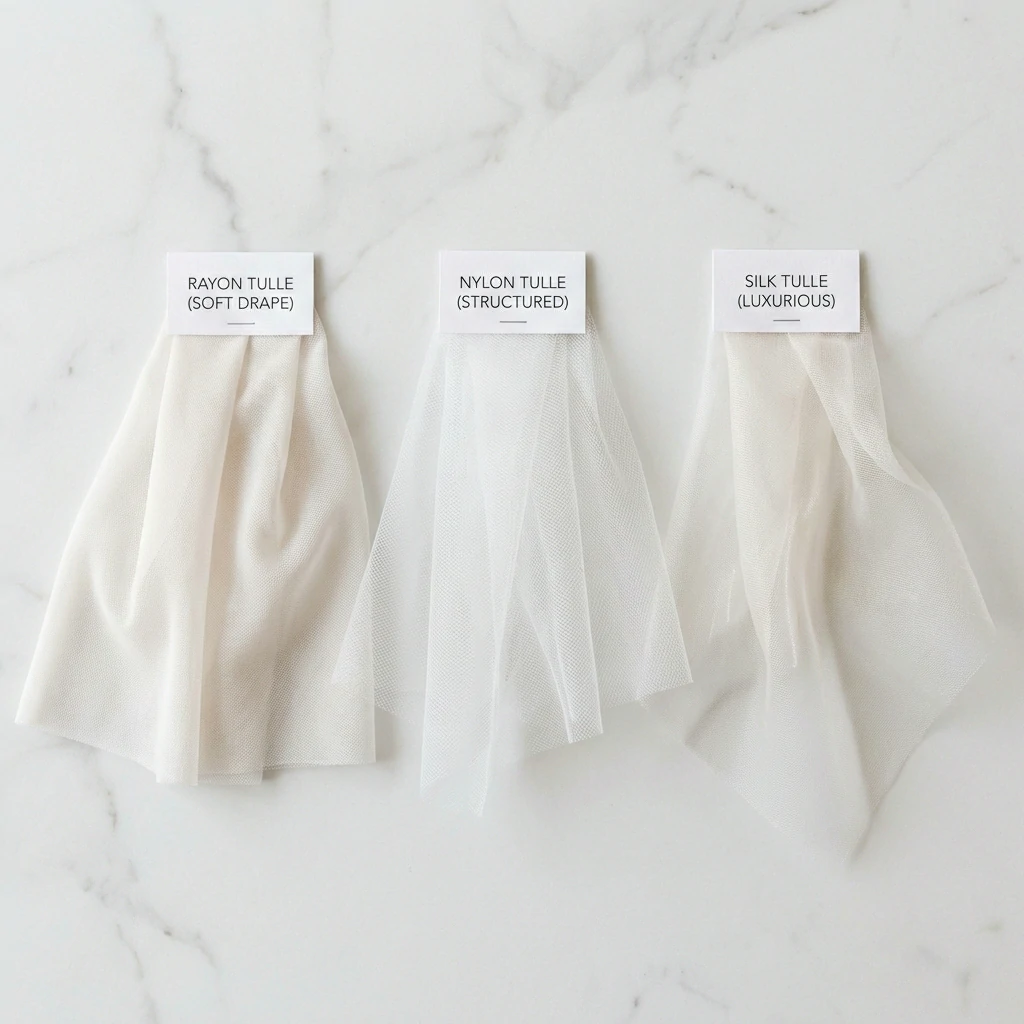
Choosing the right tulle depends on your specific needs. Here’s how rayon tulle compares to other common options:
| Property | Rayon Tulle | Nylon Tulle | Silk Tulle |
|---|---|---|---|
| Feel | Soft, smooth | Slightly crisp | Extremely soft |
| Drape | Fluid, natural | Holds shape | Most fluid |
| Breathability | High | Low | High |
| Price | Mid-range | Budget | Premium |
| Durability | Moderate | High | Delicate |
| Sheen | Subtle luster | Matte to shiny | Natural glow |
| Eco-friendliness | Semi-sustainable | Synthetic | Natural |
When to choose rayon tulle: You want a softer hand feel than nylon, better drape for flowing designs, and breathability for comfort — but silk tulle exceeds your budget. Rayon tulle works beautifully for veils, overlays, and garments where the fabric touches skin.
When to choose nylon tulle: You need structure and volume (think puffy skirts or decorations), durability for heavy use, or the most budget-friendly option. Nylon tulle holds its shape better and resists wrinkles.
When to choose silk tulle: You’re creating high-end bridal or couture pieces where the ultimate softness and luxury feel justify the investment. Silk tulle is the gold standard for premium veils and delicate overlays.
Key Properties of Rayon Tulle
Understanding rayon tulle’s characteristics helps you determine if it’s right for your project.
Soft Hand Feel. Rayon tulle feels noticeably softer against the skin compared to nylon or polyester options. The cellulose-based fibers create a gentle touch that won’t irritate sensitive skin, making it ideal for garments worn directly against the body.
Natural Drape. Unlike stiffer synthetic tulles that hold their shape, rayon tulle flows and moves with gravity. This fluid drape creates elegant, romantic silhouettes in veils, skirts, and overlays. The fabric cascades rather than poofs.
Breathability. Rayon’s cellulose origin gives it moisture-wicking properties that synthetic fibers lack. Rayon tulle allows air circulation, keeping the wearer more comfortable — especially important for wedding veils worn for hours or dance costumes during performances.
Subtle Luster. Rayon tulle has a gentle sheen that catches light beautifully without appearing plasticky or overly shiny. This natural-looking luster photographs well and adds dimension to layered designs.
Moderate Strength. While not as durable as nylon, rayon tulle holds up well for most applications. It requires more careful handling than synthetic alternatives, particularly when wet, as rayon fibers weaken temporarily when saturated.
Dye Affinity. Rayon accepts dyes readily, resulting in rich, vibrant colors. This makes rayon tulle available in a wide spectrum of shades, from soft pastels to deep jewel tones.
Common Uses for Rayon Tulle
Rayon tulle’s unique combination of softness, drape, and breathability makes it suitable for various applications.
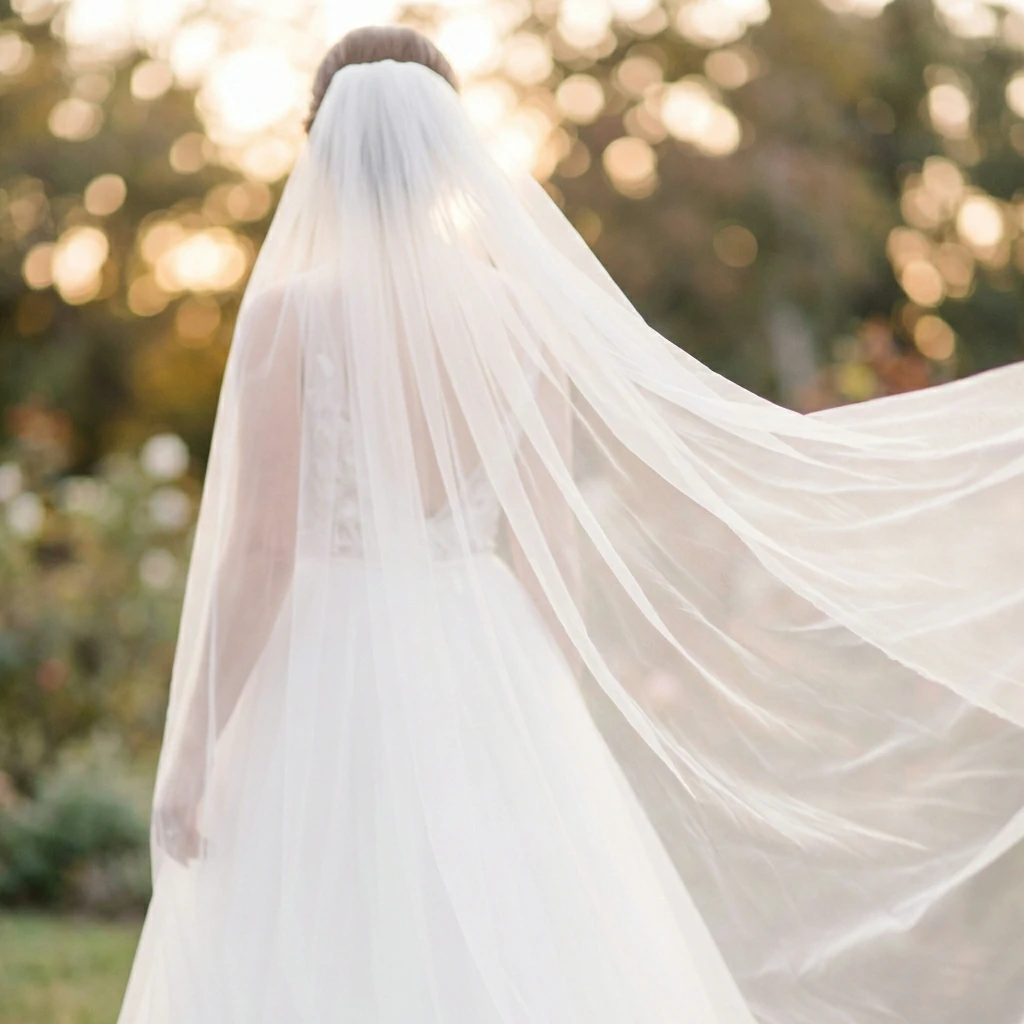
Bridal Veils and Accessories. The soft drape of rayon tulle creates romantic, flowing veils that move beautifully. Many brides prefer rayon over nylon for cathedral-length veils because it feels lighter and more comfortable during long ceremonies and photo sessions.
Evening Gowns and Formal Wear. Designers use rayon tulle for overlays, skirt layers, and decorative elements on formal dresses. The fabric adds volume without stiffness, creating ethereal silhouettes that photograph beautifully.
Dance Costumes. Ballet tutus, contemporary dance costumes, and performance wear benefit from rayon tulle’s breathability. Dancers appreciate the comfort during intense performances, and the fabric’s movement quality enhances choreography.
Lingerie and Intimate Apparel. The soft hand feel makes rayon tulle appropriate for delicate garments worn against skin. Combined with stretch lace or other intimate fabrics, it creates comfortable yet elegant pieces.
Decorative Applications. While nylon tulle dominates the craft and decoration market due to cost, rayon tulle appears in higher-end event décor where a more refined look is desired. Table overlays, chair sashes, and backdrop draping benefit from rayon’s elegant drape.
Children’s Wear. For tutus, fairy costumes, and special occasion dresses, rayon tulle offers a gentler option for sensitive young skin compared to scratchier synthetic alternatives.
How to Care for Rayon Tulle
Proper care extends the life of rayon tulle garments and maintains their beauty.
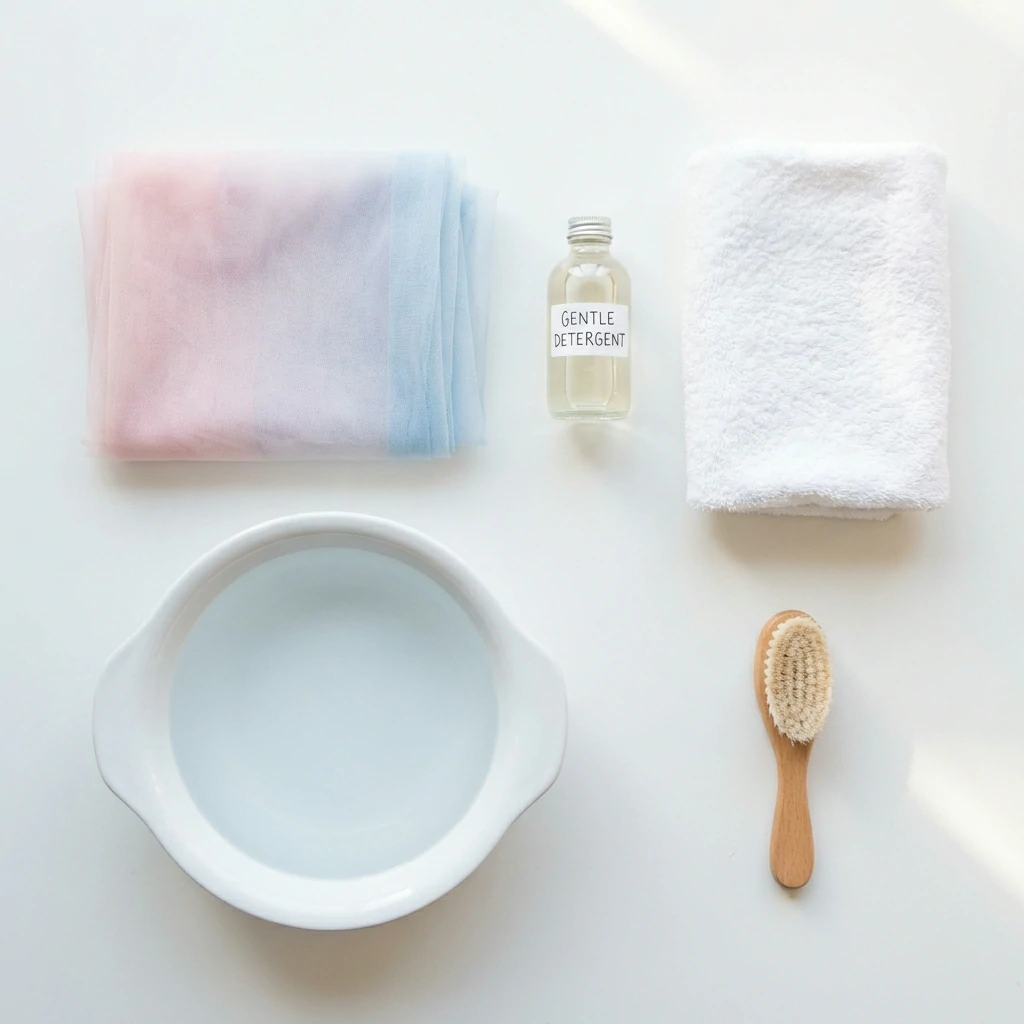
Washing. Hand wash rayon tulle in cool water with mild detergent. Avoid wringing or twisting, as rayon weakens when wet. Gently squeeze out excess water and lay flat to dry. Machine washing is not recommended — the agitation can damage the delicate mesh structure.
Drying. Never put rayon tulle in a dryer. The heat can shrink or distort the fabric permanently. Air dry flat on a clean towel, reshaping gently while damp. Keep away from direct sunlight to prevent color fading.
Ironing. If needed, use the lowest heat setting with a pressing cloth between the iron and fabric. Steam can help release wrinkles without direct contact. Better yet, hang the garment in a steamy bathroom to let wrinkles fall out naturally.
Storage. Store rayon tulle garments hanging or loosely folded with acid-free tissue paper. Avoid plastic bags that trap moisture. Keep away from direct light and humidity to prevent yellowing or mildew.
Stain Removal. Address stains immediately by blotting (never rubbing) with cool water. For stubborn stains, consult a professional dry cleaner experienced with delicate fabrics. Avoid harsh chemicals that can damage rayon fibers.
Where to Buy Rayon Tulle
Finding quality rayon tulle requires knowing what to look for and where to source it.
Quality Indicators. When evaluating rayon tulle, check for:
Consistent mesh pattern without irregularities
Soft hand feel without chemical odor
Even color distribution
Appropriate weight for your application
Clear fiber content labeling
Wholesale vs Retail. For small projects, fabric retailers and online marketplaces offer rayon tulle by the yard. For larger orders or business use, wholesale suppliers provide better pricing and consistent quality across larger quantities.
Questions to Ask Suppliers:
What is the exact fiber composition? (Some “rayon tulle” may be blends)
What is the fabric width and weight?
Are samples available before bulk ordering?
What are the minimum order quantities?
Can you provide care instructions and technical specifications?
Price Expectations. Rayon tulle typically costs more than nylon or polyester tulle but significantly less than silk tulle. Expect to pay a premium over basic synthetic options, but the improved hand feel and drape often justify the difference for quality-focused projects.
Conclusion
Rayon tulle occupies a valuable middle ground in the tulle market. It offers the softness and breathability that synthetic tulles lack, while remaining more accessible than premium silk options. For bridal veils, evening wear, dance costumes, and any application where comfort and elegant drape matter, rayon tulle deserves serious consideration.
The key is matching the fabric to your specific needs. If you need structure and budget-friendliness, nylon tulle serves well. If you’re creating luxury pieces where cost is secondary, silk tulle remains the ultimate choice. But for that sweet spot of quality, comfort, and reasonable pricing, rayon tulle delivers.