
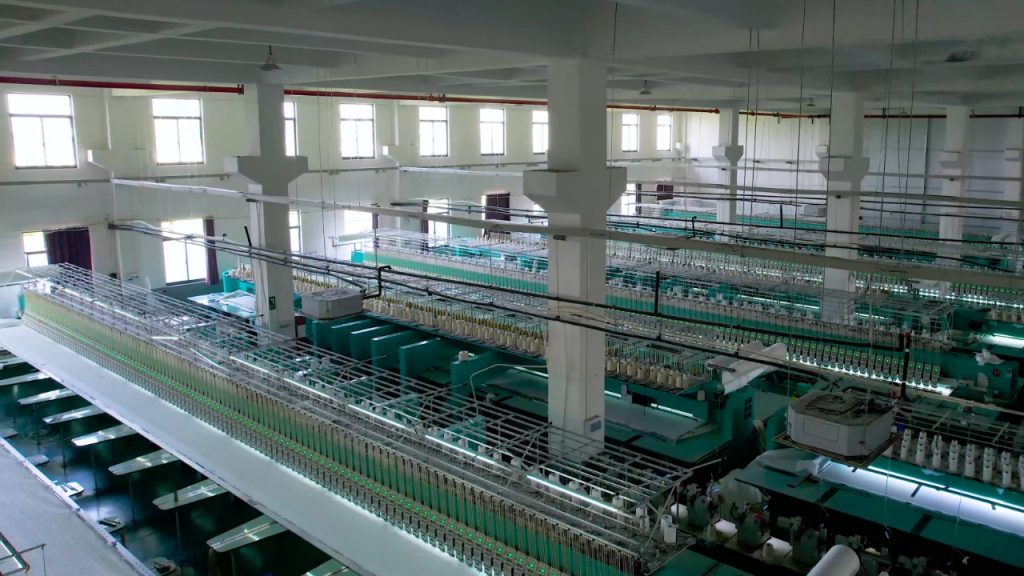
19th Century: The Starting Point from Hand to Machine
- European mechanization: Leavers/Nottingham lace machines mechanized bobbin lace structures; Jacquard punch cards enabled repeatable complex patterns; Schiffli (shuttle) embroidery machines brought multi-needle concurrent work to lace and cutwork.

- Introduction to China: In the late 19th and early 20th centuries, missionaries taught bobbin and embroidery techniques in Fujian and Zhejiang—beginning with the Amoy Lace Guild in Xiamen (1885) and Xiaoshan (1919)—spurring local craft and industry. Regional brands and handcraft traditions emerged as foundations for later industrial growth.
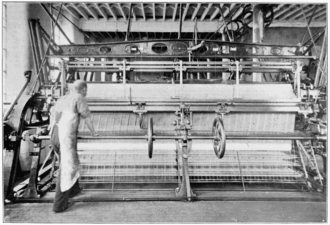
Early 20th Century: Electrification and the Rise of Warp-Knitted Lace
- Electric drives and mechanical stability: Motors replaced manual power; belts/gears and improved tension systems boosted speed and consistency, lowering breakage rates and making batches controllable.

- Warp-knitted lace (Raschel): High-speed warp knitting with multiple guide bars and ground constructions formed meshes and motifs. High output and stable widths suited large orders. Chemical lace (Guipure) advanced by embroidering on a sacrificial base and chemically dissolving it to create net-free, dimensional structures.
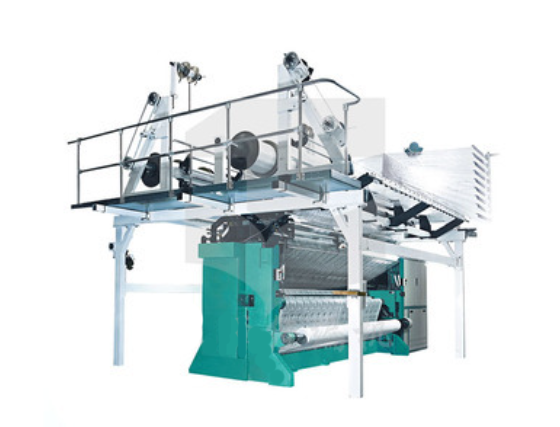
Late 20th Century: Synthetic Fibers and Automated Production
- Materials innovation: Nylon and polyester enhanced strength, anti-yellowing, and colorfastness, meeting apparel and home textile wash-and-wear demands.
- Automation modules: Electronic jacquard, auto color change, constant tension, climate control. Inline metering and break detection improved yields to meet standardized apparel/home requirements.
1990s–2000s: Digitalization and Flexible Manufacturing
- Computerized multi-head embroidery & CAD/CAM: Digital sampling, rapid pattern revisions, and multi-width nesting improved sampling and small-batch customization efficiency; laser cutting and positional seaming expanded lace applications.

- Mature water-soluble processes: PVA films/fabrics carried embroidery; post-wash removed the base to form free-standing lace (FSL), ideal for bridal accessories, home décor, and high-end custom work.
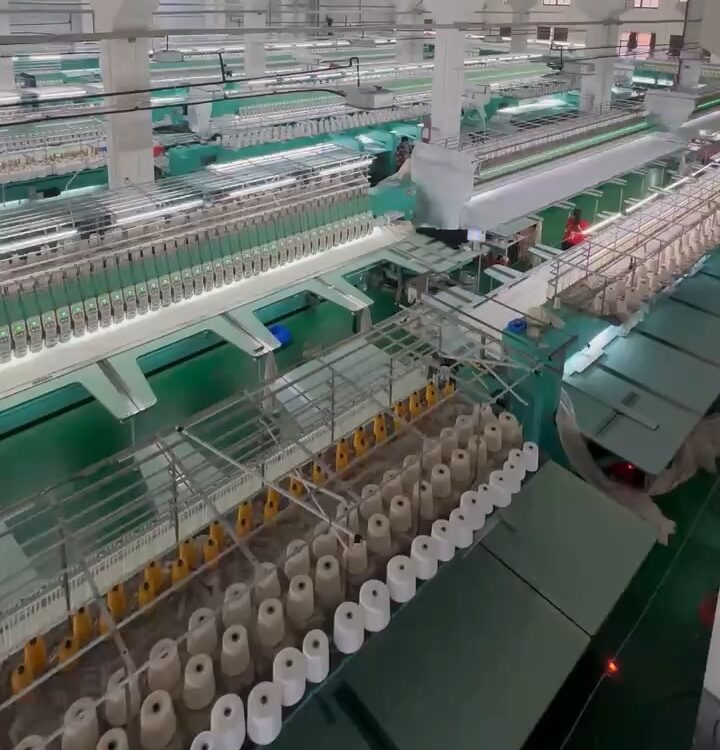
2010–Present: Industry 4.0 and Sustainability
- Smart factories: MES/ERP connect orders, scheduling, and quality data; machine vision detects skipped stitches/floats/shade issues; energy monitoring and predictive maintenance improve stability and cost control.

- Sustainable practices: Low-liquor dyeing/finishing, heavy-metal–free auxiliaries, recyclable fibers; small-batch quick response and regional stocking support cross-border e-commerce and multi-channel brand needs.
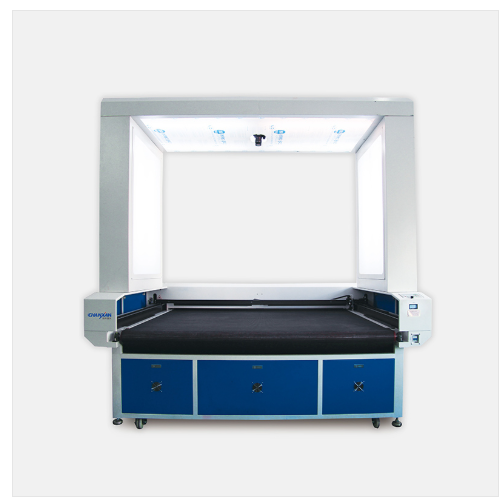
Broad Factory Applications
- Warp-knit lace lines: Raschel clusters (multi-guide bars + e-jacquard) handle volume production; suited to lingerie bases, bridal grounds, curtains, and table linens.
- Embroidery lines: Computerized multi-head (flat/3D/appliqué) plus water-soluble units (wash/dry/set); ideal for lace trims, appliqués, badges, and free-standing structures.
- Chemical lace lines: Embroidery → chemical removal → washing → drying → setting and finishing (anti-yellowing/anti-static); used for high-end dress borders and structural lace.
- Dyeing & finishing: Heat-setting (tenter/air), coatings (anti-stain/water-repellent), softening and preshrink to secure hand feel and stable dimensions; inline shade and GSM checks ensure consistency.
- Quality & supply chain: Fast sampling (48–72 hours), small-batch customization (multicolor/multidesign), rolling replenishment, and multi-factory mirroring to improve cross-regional delivery and cost advantages.
China’s Industrialization and Global Position
- Industrial upgrade: Since the late 20th century, clusters like Xiaoshan have combined handcraft heritage with modern equipment. Annual output of machine-made lace has grown while retaining niches for handmade work.
- Market landscape: China is now a major global lace producer and exporter, serving both mass-market and high-end custom demand. Products ship to Europe, North America, and Southeast Asia, integrating traditional motifs into modern apparel and home décor. Companies founded in the early 1990s have built stable global supply and quality reputations through craft innovation and scale.

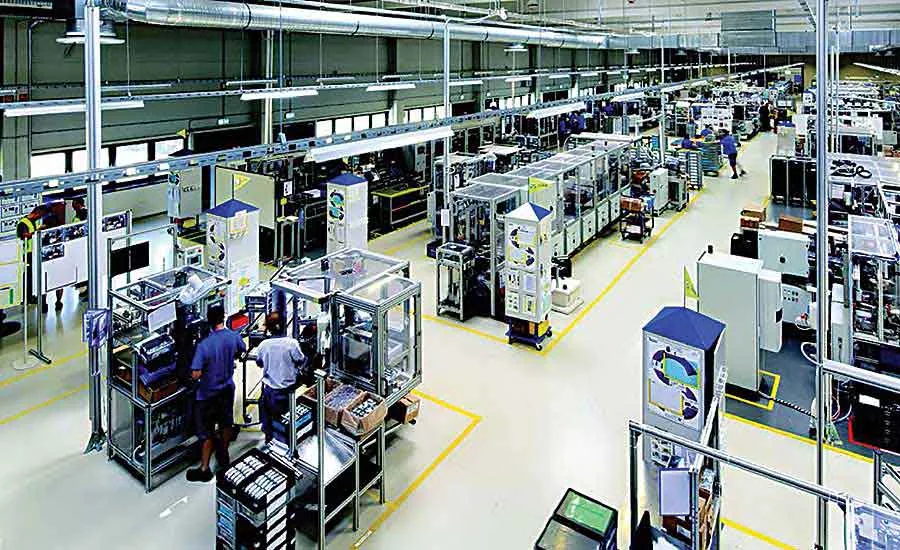
Key B2B Value
- Capacity & cost: Scale from warp knitting and computerized embroidery with standardized processes lowers unit costs and shortens lead times.
- Stability & consistency: E-jacquard, machine vision, and SOPs for water-soluble/chemical processes ensure batch uniformity, reducing returns and rework.
- Supply chain fit: Multi-material (cotton/polyamide/polyester), multi-process (warp knit/embroidery/chemical) combinations support broad brand applications and flexible replenishment.
- Personalization & premium: Digital sampling and free-standing lace enable small-batch customization and high value-add development for bridal, home aesthetics, and accessories.