
Introduction
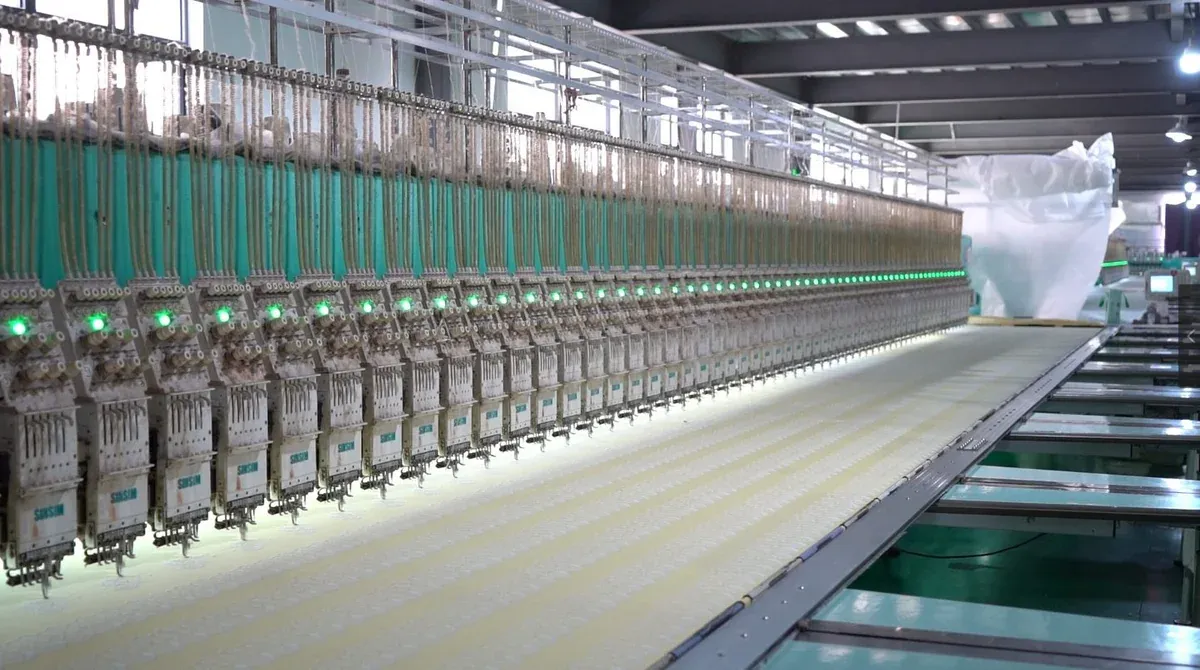
This article offers a comprehensive B2B comparison between bulk crochet lace and designer crochet lace, focusing on production costs, stability, raw material supply, and factory line adaptability to determine the best lace option for large-scale procurement and wholesale success.
Table of Contents
What distinguishes bulk crochet lace from designer crochet lace in craftsmanship and production?
Bulk Crochet Lace:
- Typically machine-produced or hand-crafted with semi-automated tools focused on speed and volume.
- Designs tend to be simpler and more standardized to maximize efficiency.
Designer Crochet Lace:
- Crafted by skilled artisans with intricate, unique, and often custom designs.
- Production is labor-intensive and time-consuming, emphasizing artistry over volume.
What are the key differences between handmade and machine-made lace?
- Handmade lace is built by skilled artisans and can offer individual detail and variation. Machine-made lace uses repeatable production programs, making standardized designs more practical for larger orders.
How does pattern complexity affect the quality of lace?
- Intricate patterns add visual detail, but complexity alone does not establish quality. The design must also have consistent stitches, suitable yarns and stable edges for its intended use.
How do production costs differ between bulk and designer crochet lace?
- Bulk crochet lace benefits from economies of scale, lower labor costs per unit, and standardized patterns, resulting in significantly lower prices.
- Designer crochet lace incurs higher costs due to skilled labor, detailed craftsmanship, and lower production speed.
What factors influence the cost of handmade lace?
- Handmade lace pricing depends on the time and skill needed for the pattern, the yarn selected and the amount of finishing. More detailed designs generally require more work per piece.
Is machine-made lace more cost-effective than handmade lace?
- For repeatable designs and larger orders, machine production can spread setup work across more units and reduce labor per piece. Handmade production remains useful when individual craftsmanship is central to the design.
Which type offers greater production stability and quality consistency?
- Bulk crochet lace enjoys consistent quality through machine precision or standardized techniques, ideal for large-volume B2B orders.
- Designer crochet lace may present slight variations between pieces, reflecting its handmade nature, which can challenge uniformity in wholesale use.
How does mass production impact the quality of crochet lace?
- Standardized yarns, patterns and machine settings help maintain consistency during large production runs. Inspection is still needed to check the finished lace against the approved sample.
What challenges are faced in maintaining quality control during handmade lace production?
- Handmade lace can vary in stitch tension, dimensions and finish between artisans or pieces. An approved reference sample and agreed tolerances help distinguish acceptable handwork variation from defects.
How do raw material availability and supply chain risks compare?
- Both types use similar raw materials (cotton yarns, synthetic blends), but bulk production often contracts larger, more stable suppliers ensuring material consistency.
- Designer lace may require specialty yarns and custom materials, posing potential sourcing challenges and price volatility.
Are there environmental concerns associated with lace production?
- Environmental impacts depend on fiber sourcing, processing and finishing, not simply whether the lace is handmade or machine-made. Compare the specified materials and production practices for the actual order.
- Is Crochet Lace Fabric Environmentally Friendly and Sustainable? | Jiede
Are factory production lines equally adaptable for bulk and designer crochet lace manufacturing?
- Bulk lace production fits well with automated or semi-automated factory lines, enabling streamlined workflow and higher output.
- Designer lace production is less suited to mechanization and demands flexible production schedules and artisanal oversight.
Are factory production lines equally adaptable for bulk and designer crochet lace manufacturing?
Can crochet lace be efficiently produced on modern factory production lines?
- Machine-made crochet-style trims can fit repeatable factory workflows. Hand-crocheted designs require skilled labor and more flexible scheduling, so their suitability depends on the required pattern and volume.
From a B2B perspective, which type is better suited for mass procurement and sustained sales?
- Bulk crochet lace is generally preferable for wholesale buyers due to cost-efficiency, predictable supply, and easier integration into mass manufacturing.

- Designer crochet lace serves niche, high-value markets requiring uniqueness and premium branding, rather than volume-driven sales.
What are the market trends for machine-made lace in bulk purchasing?
- Wholesale programs that prioritize repeatability, predictable supply and unit cost tend to favor machine-made lace. Designer or hand-crocheted lace suits programs where distinctive detail is more important than volume.
How does handmade lace perform in large-scale B2B transactions?
- Handmade lace can serve B2B orders that value unique craftsmanship, but labor availability and piece-to-piece variation need to be planned. It is less straightforward to scale than standardized machine production.
Discuss a real requirement
Turn the reading into a practical next step.
Send a short note, product reference, photograph, swatch or tech pack. Technical feasibility, sampling, documentation and production terms are confirmed after review.
Start an inquiry