
Introduction
A concise B2B comparison of handmade cotton lace and machine-embroidered cotton lace in terms of production cost, stability, raw material supply, and factory-line adaptability, focusing on application scenarios to determine which technique better supports custom designs and bulk OEM orders.
What are handmade cotton crochet lace and machine-embroidered cotton lace, and how do their construction methods shape design possibilities?
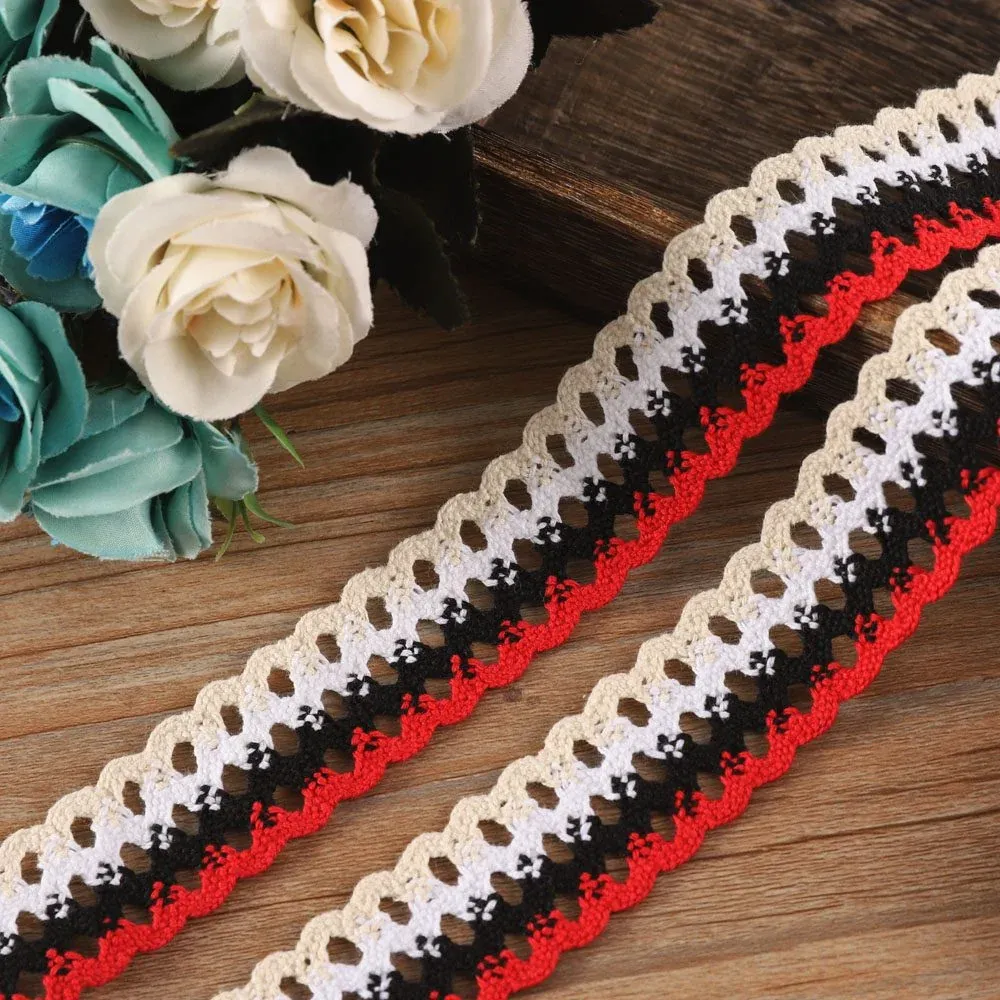
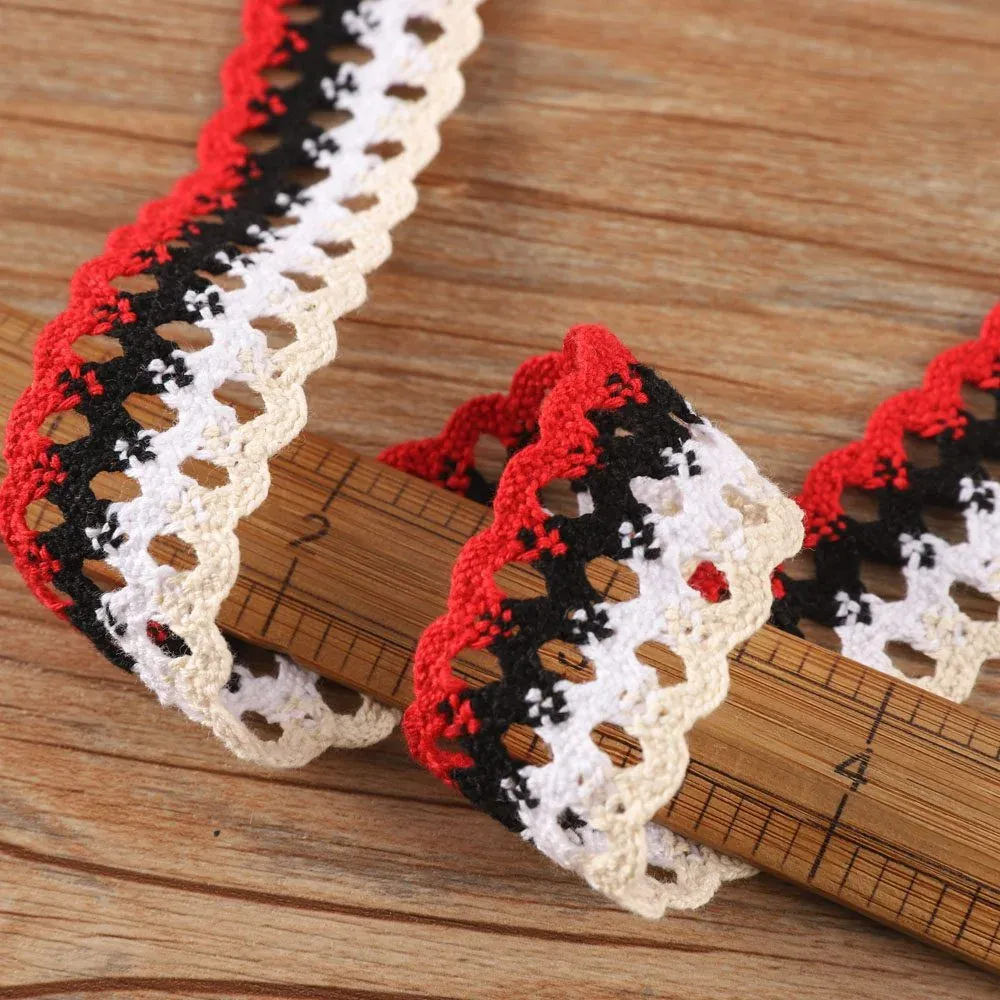
Handmade cotton crochet lace is formed stitch by stitch with cotton yarn and a crochet hook. Its texture and openwork motifs result from manual work. Similar-looking trims produced by machine should be identified by their actual process, not described as handmade.
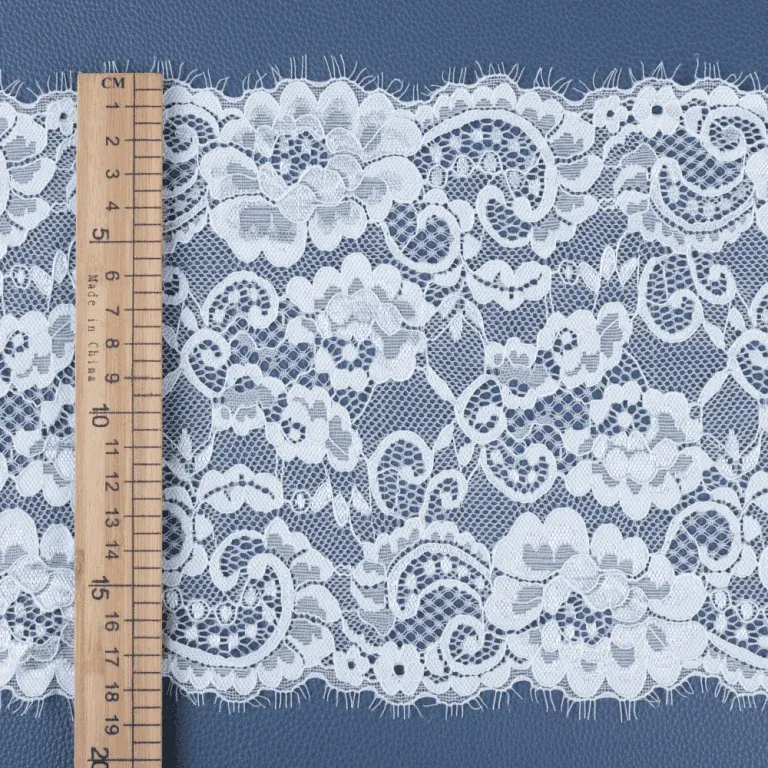
Machine-embroidered cotton lace is stitched onto tulle, cotton grounds, or soluble films using multihead embroidery machines, then finished to form lace trims or panels. It supports rapid motif iteration through digitized files, precise repeats, multicolor stitching, and scalable customization—well suited to OEM timelines.
What are the differences between handmade crochet lace and machine-made lace?
Hand crochet allows stitches and motifs to be adjusted during the work, but requires skilled labor. Machine embroidery uses a digitized design to repeat motifs. It also supports custom designs; feasibility depends on the equipment, ground, thread and motif complexity.
How do production costs compare for custom designs and OEM programs?
Hand crochet is labor-intensive, with costs driven by stitch density, motif complexity, and the availability of skilled labor; unit cost and lead time rise quickly as designs become more intricate. It suits products with higher ASP and smaller, curated drops where the craft value justifies premium pricing.
Machine-embroidered lace benefits from automation: once the artwork is digitized, unit costs fall predictably with volume. Thread use, stitch density, and finishing drive cost, but standardized workflows make OEM pricing competitive for large runs and multistyle assortments.
How do custom designs affect the costs of an OEM order?
Customization and OEM production are not mutually exclusive: an OEM order can be made to the customer’s design. Costs depend on motif development, sampling, materials, setup and quantity. Compare quotations for the same specification and separate development costs from the unit price.
Custom designs within an OEM production program
Which technique offers better stability and quality consistency in volume production?
Machine embroidery delivers strong batch-to-batch consistency: machine-controlled tension, repeatable stitch programs, and defined QC parameters (density, edging, and wash tests) stabilize results across factories and seasons. This is critical for repeat orders and meeting retailer requirements.
Hand crochet has natural variation in tension and dimensions, particularly in artisanal production and small teams. Blocking, preshrinking, and strict workmanship standards can tighten tolerances, but achieving OEM-grade uniformity at scale is more challenging than with embroidery.
Is machine-made lace more consistent in quality than handmade lace?
Machine-made lace provides greater consistency and stability in high-volume production through standardized processes and automation. Handmade lace, while unique and intricate, can show slight variations, making it less consistent in mass-production settings.
Custom Manufacturing and Repeat Production: Maintaining Consistent Quality
How do raw material supply and sourcing risks differ?
Both depend on widely available cotton inputs, but crochet often uses higher-twist or mercerized cotton yarns to retain structure, which can narrow supplier pools and extend lead times. Labor capacity is a key constraint: artisan availability and training influence delivery risk.
Machine embroidery uses cotton embroidery threads or commodity blends, cotton grounds or soluble stabilizers, and standard accessories, supported by large, stable supplier networks. Dual sourcing of threads and grounds by region helps secure capacity and manage price fluctuations.
What supply risks should be assessed for custom OEM orders and repeats of existing designs?
Supply risk depends on the availability of the selected yarns and grounds, special colors, minimum quantities and supplier capacity. This applies both to custom OEM orders and repeats of an existing design. Confirm raw materials and acceptable alternatives during development.
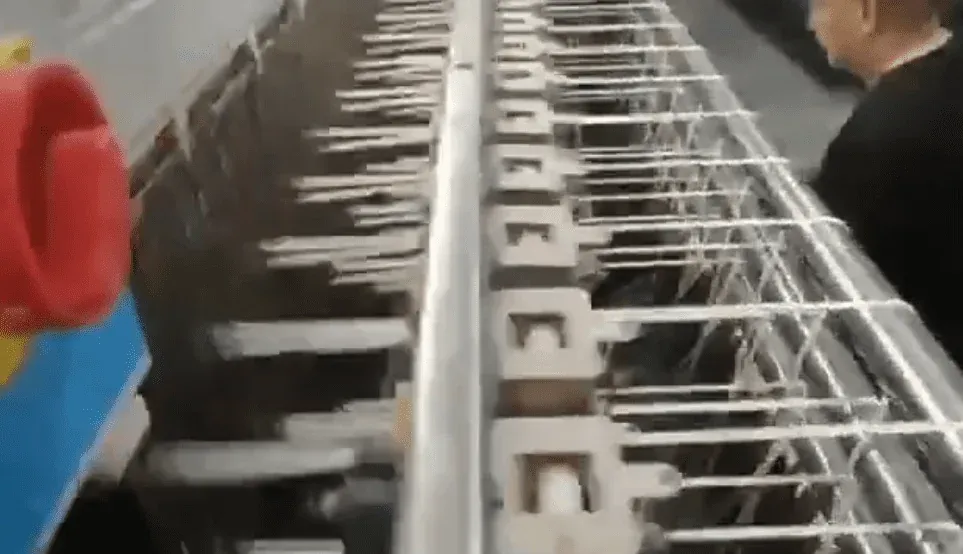
OEM Customization: How to Optimize Costs and Production Cycles
How well do factory lines adapt to each technique for sampling and mass production?
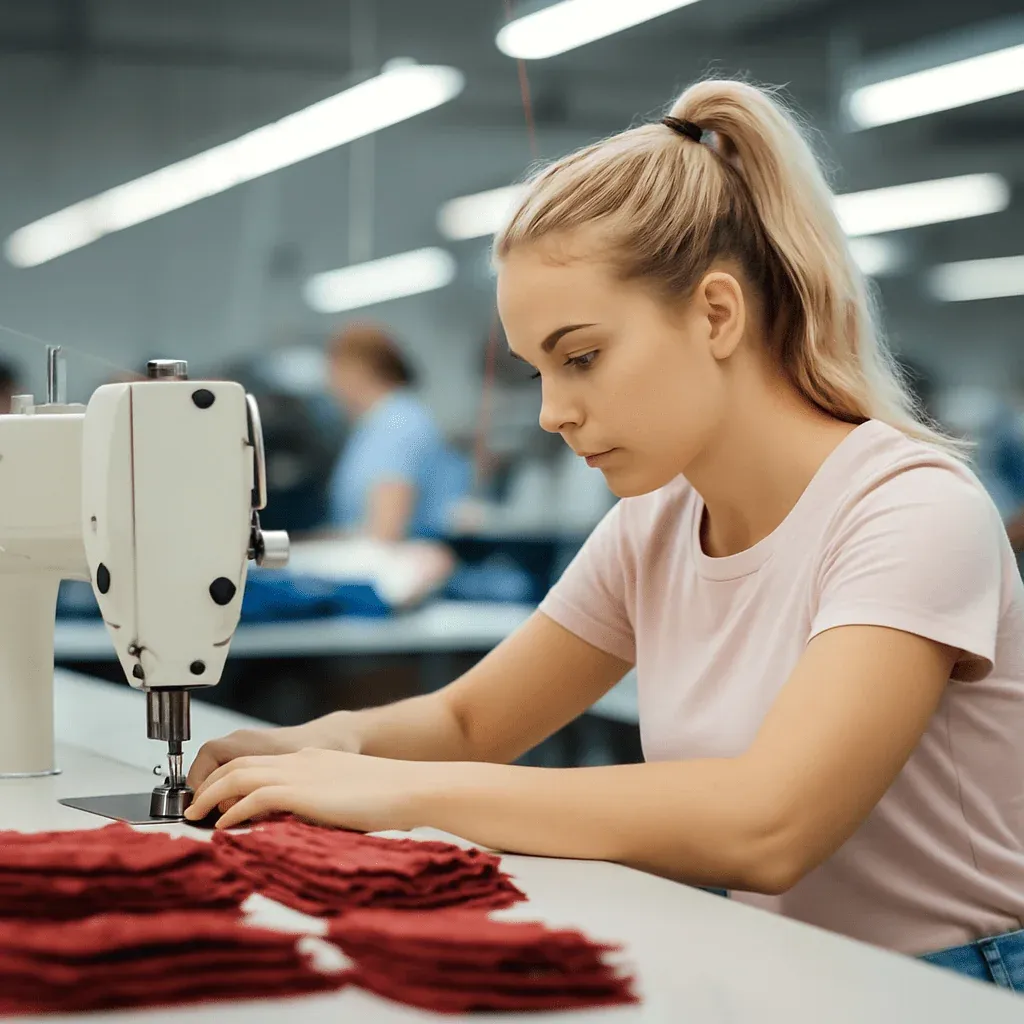
Machine embroidery integrates smoothly with CAD/CAM, multihead machines, and modular finishing, enabling rapid sampling, fast changeovers, and parallel output. It suits high-throughput assembly lines with minimal disruption, improving takt time and on-time delivery.
Hand crochet requires skilled operators, slower cycles, and more manual QC and finishing, which can create bottlenecks in fast-paced, high-mix schedules. It is best run in specialized cells with planned capacity buffers, making it less agile for rapid OEM replenishment.
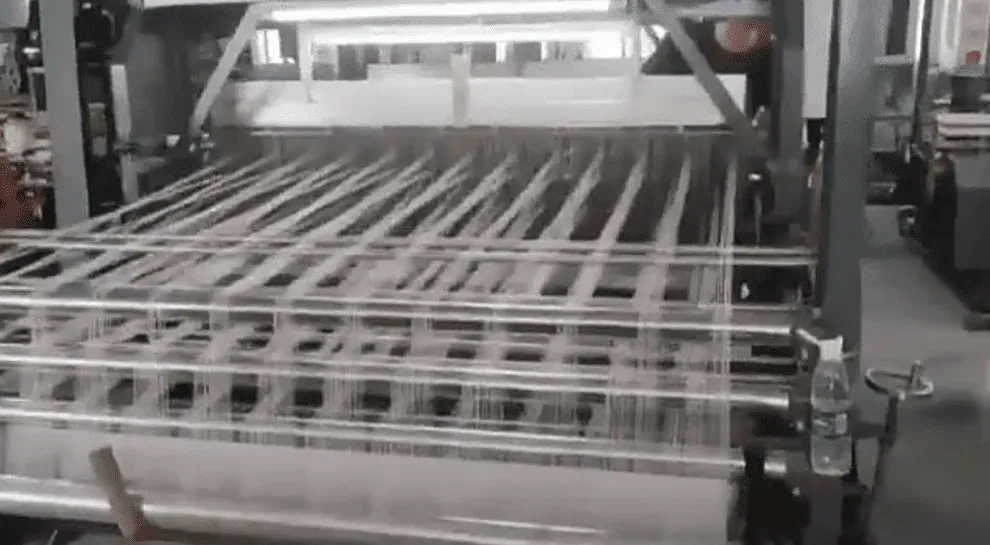
How do manufacturing lines adapt to custom designs within OEM orders?
Line adaptability depends on the process and design, not the OEM label. A custom embroidered motif may require digitizing, trials and adjustments before production repeats. Hand crochet depends on the team’s skill and capacity. Define the manufacturing route from the sample, quantity and schedule.
Custom Manufacturing and Mass Production in the Fashion Industry
Application scenarios and B2B recommendation: which is preferred for custom designs and OEM orders?
Choose handmade cotton crochet lace for premium capsules, bridal/boho aesthetics, statement trims, and limited editions where tactile depth and story-led craftsmanship increase perceived value. It resonates in luxury childrenswear, heritage blouses, and artisanal accessories with smaller MOQ.
Choose machine-embroidered cotton lace for large-scale OEM programs—lingerie trims, tops and dresses, childrenswear, uniforms, and home textiles—where cost control, expanded colorways, and consistent specifications matter. For most custom design combined with OEM scale, machine embroidery is the preferred foundation, while hand crochet serves as a premium complement.
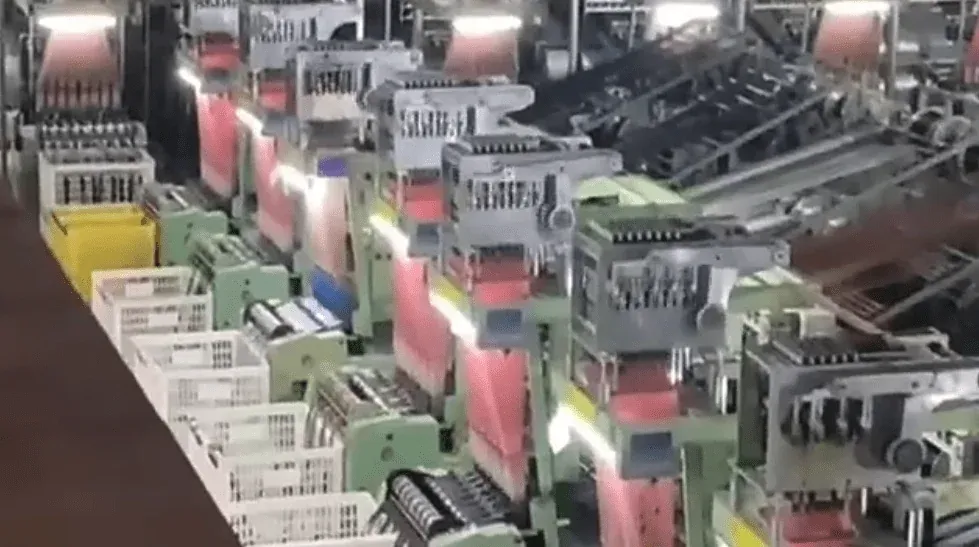
How should a business choose the manufacturing process for a custom design in an OEM order?
If you need an original design, include its development in the OEM order rather than treating customization and OEM as alternatives. Choose hand crochet or machine embroidery according to the required appearance, quantity, tolerances and schedule. An approved sample should define what will be repeated in production.
Custom Manufacturers vs. Standard Suppliers: Making the Right Choice for Your Project
Discuss a real requirement
Turn the reading into a practical next step.
Send a short note, product reference, photograph, swatch or tech pack. Technical feasibility, sampling, documentation and production terms are confirmed after review.